Book Your Safari
Complete the form below to reserve your safari. Our team will confirm your booking and offer further details.
Few experiences rival trekking through the Himalayas—where every step reveals snow-capped peaks, whispering forests, and the possibility of encountering rare wildlife. The Himalayas aren’t just a trekker’s paradise; they’re a living, breathing ecosystem packed with elusive creatures and ancient natural beauty. From India’s dense Himalayan foothills to Bhutan’s untouched sanctuaries and Nepal’s rhododendron trails, the region offers a blend of thrill, serenity, and biodiversity.
Let’s explore how trekking in the Himalayas transforms into a rare wildlife adventure, and why this combination has become one of Asia’s most immersive travel experiences.
Himalayan wildlife trekking goes beyond scenic beauty. It’s about walking through some of the most biologically rich zones on Earth. These trails traverse national parks and conservation areas where nature thrives with minimal human interference.
The mix of altitude zones—from subtropical forests to alpine tundra—creates habitats for species that exist nowhere else. Here, the rhythm of trekking syncs with the calls of birds, rustling of red pandas, or the distant roar of a snow leopard.
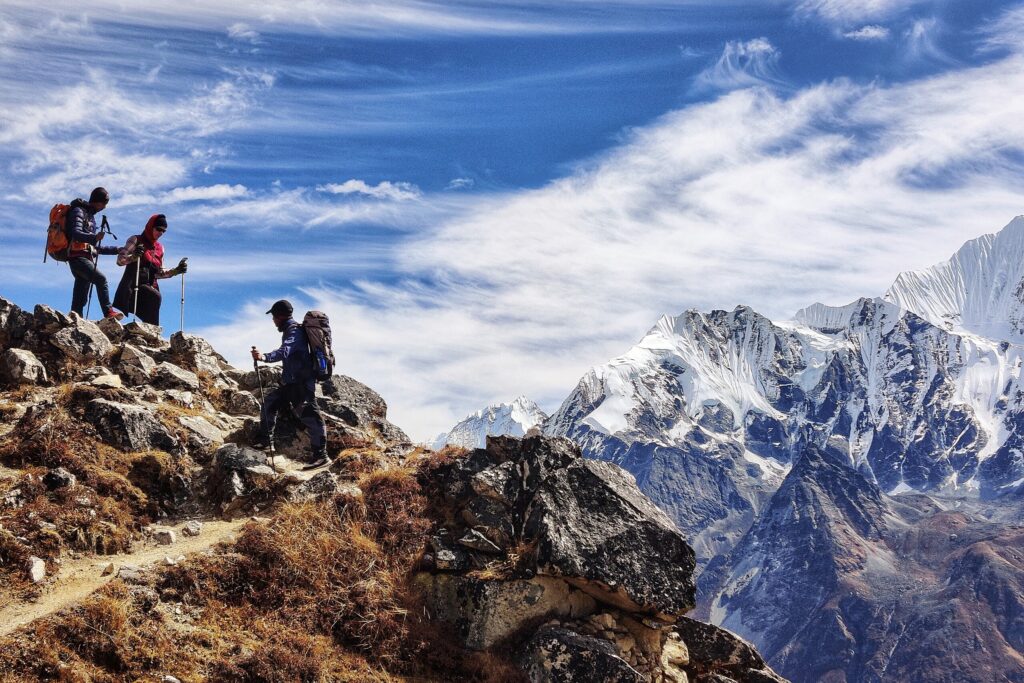
This trail is one of India’s most rewarding Himalayan treks for wildlife lovers. Winding along the Indo-Nepal border, Singalila Ridge offers views of four of the world’s five highest peaks and a chance to spot the elusive red panda within Singalila National Park.
The park’s elevation range between 2,400 and 3,600 meters supports vibrant rhododendron forests and rare wildlife. Lucky trekkers might also encounter Himalayan black bears, clouded leopards, or barking deer.
Best time: March to May and October to December.
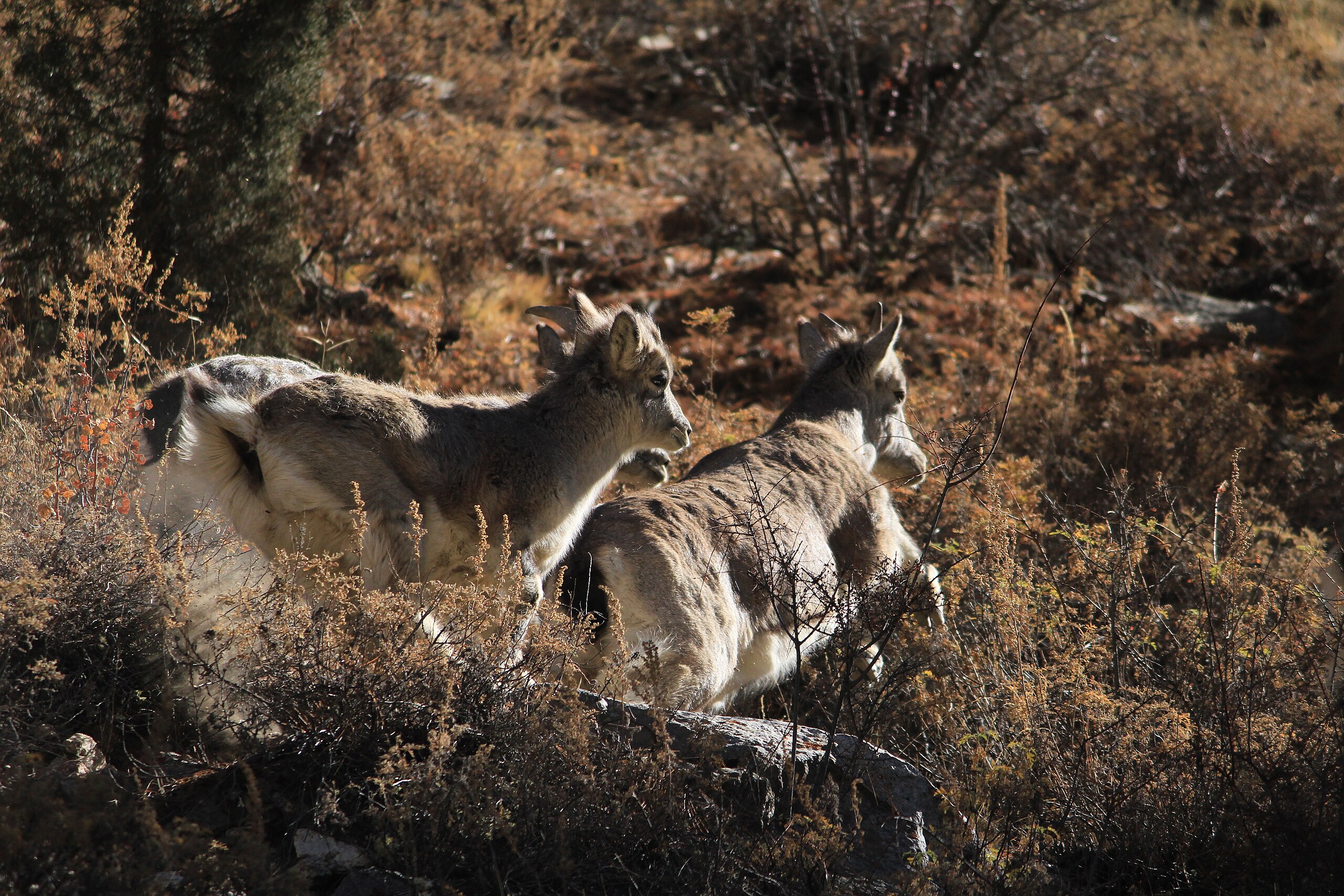
A UNESCO World Heritage Site, the Great Himalayan National Park (GHNP) is a paradise for trekkers who love wilderness. The park shelters over 370 fauna species, including Himalayan tahr, snow leopard, and blue sheep.
Trekking through GHNP combines rugged terrain with raw encounters. The eco-zone surrounding the park also provides cultural interactions with local Himachali communities.
Best time: April to June and September to November.
These twin UNESCO World Heritage Sites in Uttarakhand combine breathtaking floral meadows with high-altitude wildlife. Trekkers often spot Himalayan monals, musk deer, and even footprints of snow leopards. The Valley of Flowers, especially between July and September, bursts with over 500 species of alpine flora.
More information: UNESCO – Nanda Devi and Valley of Flowers National Parks
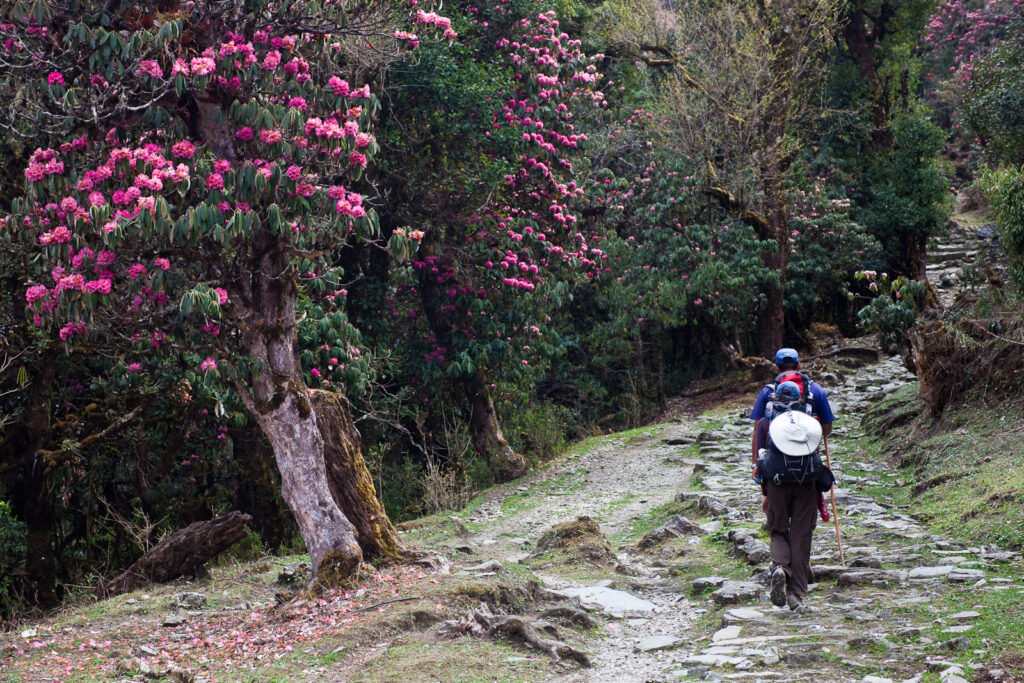
The Annapurna Circuit isn’t just about dramatic mountain views—it’s also one of the best routes for spotting Himalayan wildlife. The Annapurna Conservation Area Project protects over 100 mammal species and 450 birds.
During spring, rhododendron forests come alive with colorful blooms and bird activity. You might spot langurs, Himalayan tahrs, or the endangered snow leopard around higher regions like Manang and Mustang.
Best time: March to May and October to November.
Often called the “Valley of Glaciers,” Langtang offers a more peaceful trekking experience with exceptional wildlife diversity. Red pandas, Himalayan black bears, and rhesus macaques inhabit the Langtang National Park.
The park’s combination of dense bamboo forests and icy peaks makes it a photographer’s dream for both landscapes and wildlife.
Best time: March to June and September to December.
While most trekkers come for Everest Base Camp, Sagarmatha’s real treasure lies in its ecosystem. Home to snow leopards, Himalayan wolves, and pheasants, Sagarmatha National Park is a UNESCO World Heritage Site.
Trekkers often spot Himalayan tahrs grazing near Tengboche or Imja Valley, while birds like the blood pheasant color the trails.
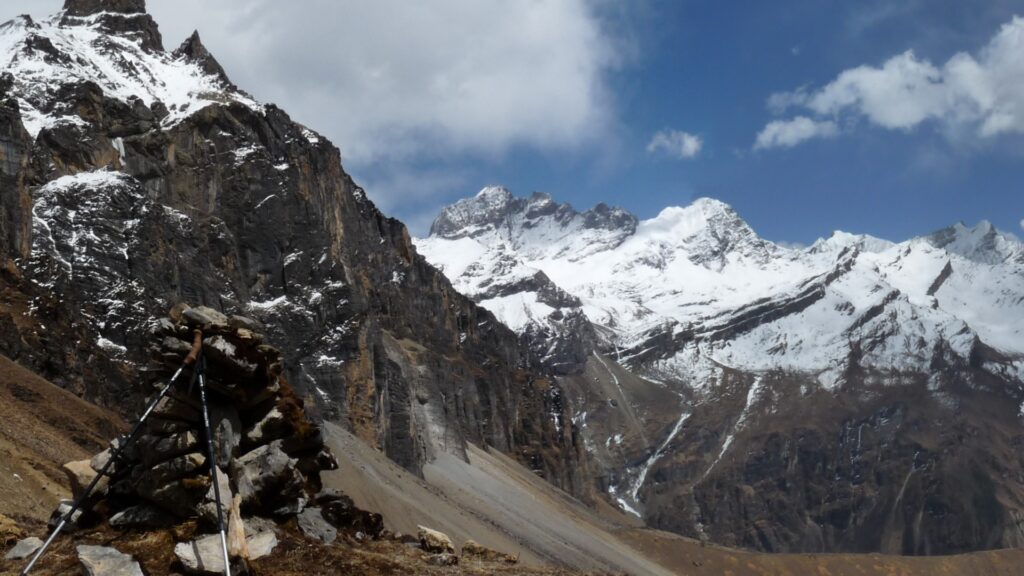
Bhutan’s approach to conservation—ensuring over 70% forest cover and protected reserves—makes it a dream destination for Himalayan wildlife trekking.
The Jigme Dorji National Park trek blends alpine landscapes with sightings of snow leopards, takins (Bhutan’s national animal), and blue sheep. The park’s vast expanse covers glaciers, rivers, and high pastures.
The trek also passes cultural landmarks like ancient dzongs and yak-herding villages, offering a glimpse into Bhutan’s balance between tradition and nature.
Best time: April to October.
A short but immersive trail through central Bhutan’s temperate forests, the Bumthang Owl Trek lets trekkers explore lush forests echoing with the call of owls, monals, and woodpeckers. Wildlife sightings include musk deer and Himalayan black bear.
Best time: March to May and September to November.
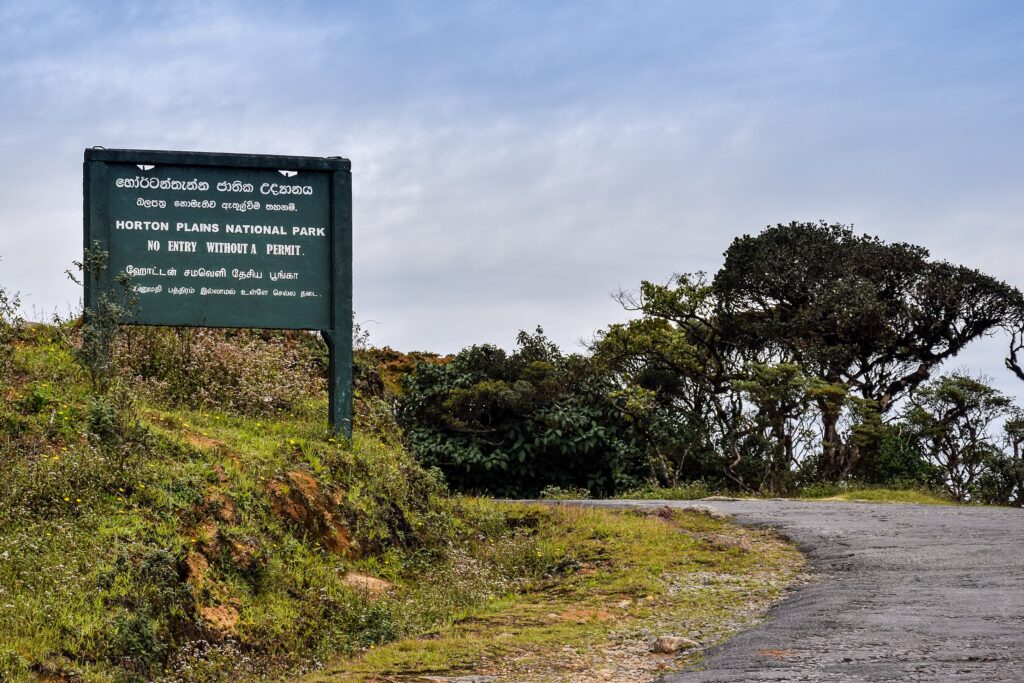
While not part of the Himalayan range, Sri Lanka’s misty hill country complements Himalayan treks with similar charm. Trails in Horton Plains National Park feature sambar deer, purple-faced langurs, and over 20 endemic bird species. Combining Sri Lanka’s lush highlands with a Himalayan trek offers a rich contrast in wildlife experiences under Asian Safaris multi-country itineraries.
Wildlife trekking comes with responsibility. The fragile Himalayan ecosystem faces threats from climate change, waste, and over-tourism. Supporting eco-friendly lodges, hiring local guides, and avoiding single-use plastics can make a difference.
Organizations like the World Wildlife Fund (WWF) and local partners in Nepal and Bhutan promote sustainable trekking practices that protect species while empowering mountain communities.
When booking with Asian Safaris, travelers can choose guided itineraries designed to minimize impact while maximizing authentic encounters with nature.
Trekking through wildlife zones deepens your connection with the land. You’re not just passing through nature—you’re part of it. Every rustle in the forest, every paw print in the snow, becomes part of the story.
From India’s red pandas to Bhutan’s snow leopards and Nepal’s high-altitude birds, Himalayan wildlife trekking merges adventure and awareness in ways few journeys can match.
Himalayan wildlife trekking isn’t only about reaching a summit; it’s about awakening a sense of coexistence. These trails remind us that adventure can still be gentle, mindful, and deeply rewarding.
With Asian Safaris, you don’t just trek—you travel responsibly through living ecosystems that define Asia’s wild soul.