Book Your Safari
Complete the form below to reserve your safari. Our team will confirm your booking and offer further details.
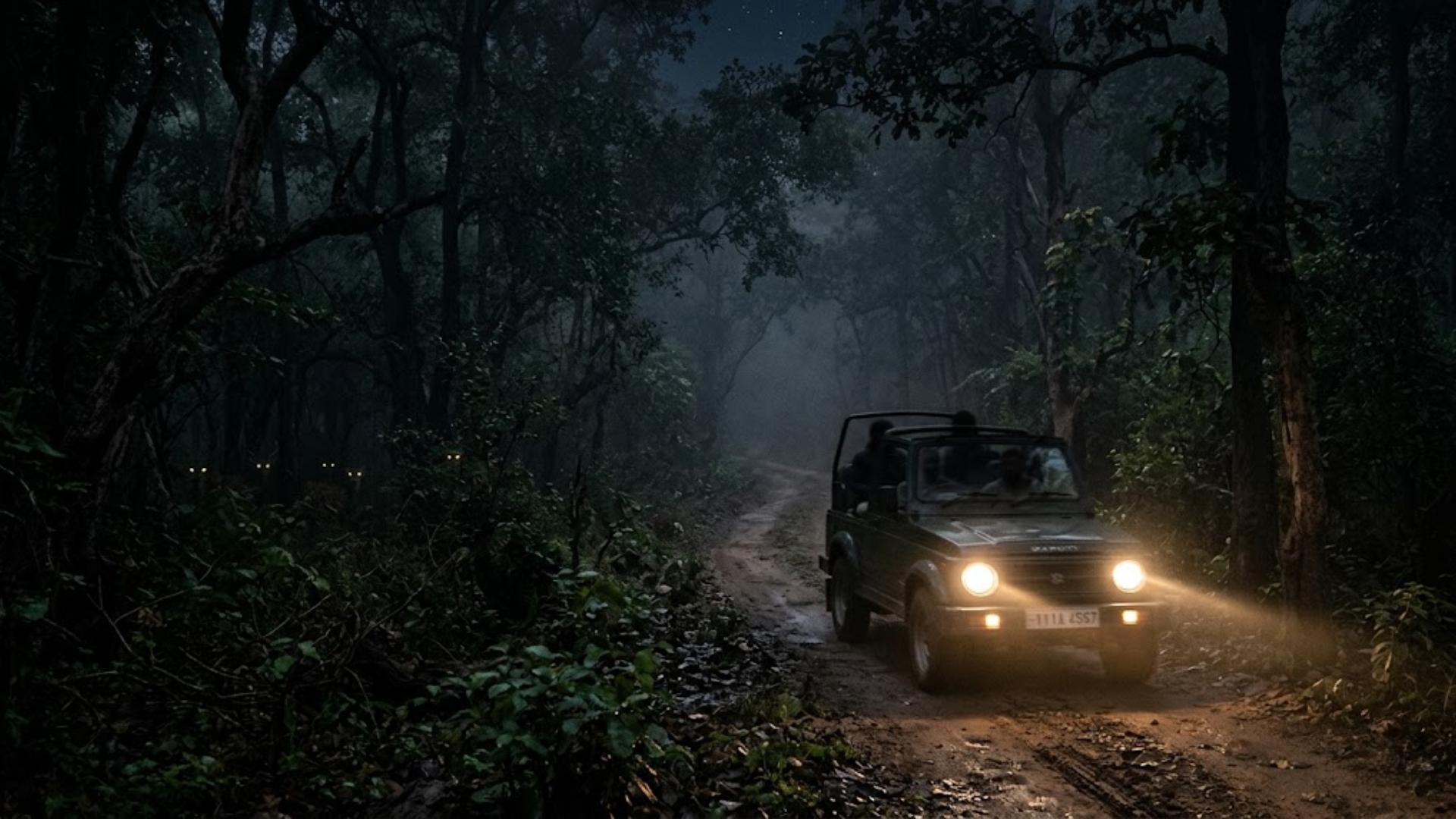
Night safaris in India reveal a side of the wilderness most travelers never experience. Once the sun sets, the forest changes completely. Sounds grow sharper, movement becomes subtle, and a different set of animals begins to emerge. If you are planning a wildlife trip, exploring options through Asian Safaris can help you build a well-rounded itinerary.
This guide breaks down everything you need to know about night safaris in India. You will learn where they are allowed, what kind of wildlife you can realistically expect to see, and how to plan the experience responsibly.
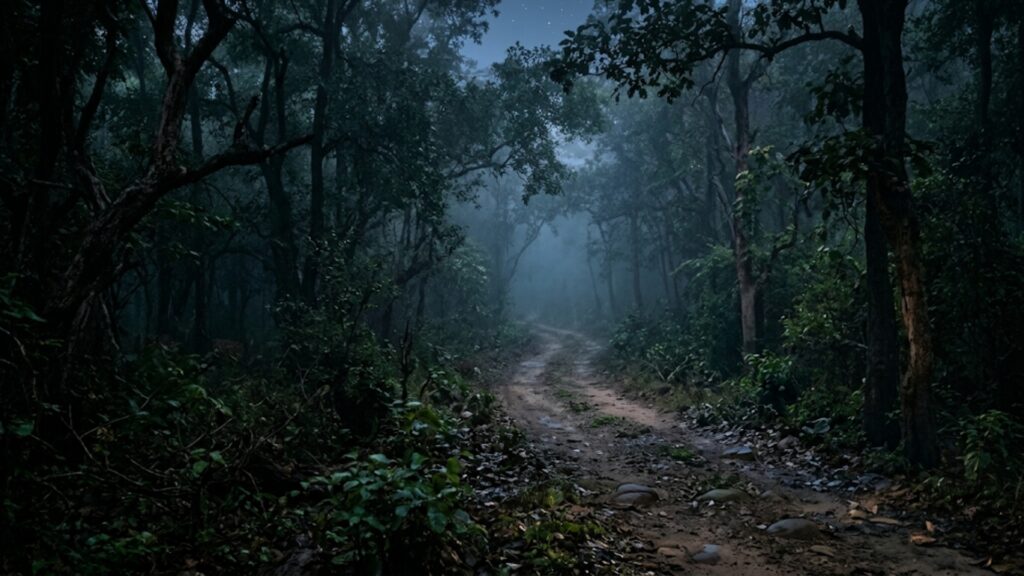
India follows strict conservation rules. Most core areas of national parks remain closed after sunset to protect wildlife from disturbance. Night safaris are therefore allowed only in buffer zones or specific controlled areas. You can read more about India’s wildlife regulations on National Tiger Conservation Authority.
A night safari is not about chasing big sightings. It is about experiencing the forest differently. The pace is slower, the atmosphere is quieter, and every sighting feels more intimate.
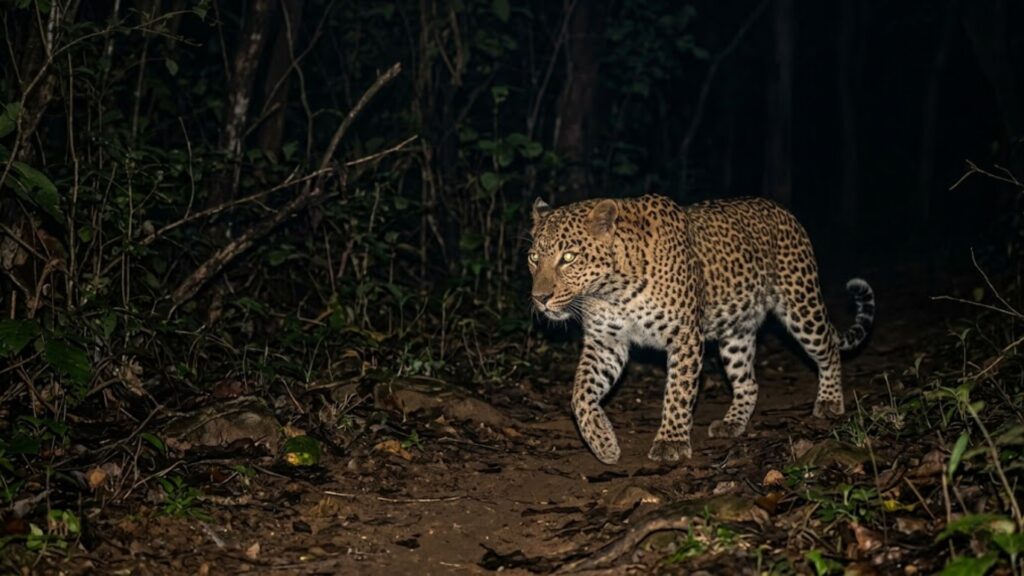
Pench offers one of the most reliable night safari experiences, especially in its Maharashtra buffer zones.
October to June, with summer offering better visibility.
Tadoba is known for strong predator activity, even after dark. Night safaris are conducted in designated buffer areas like Moharli.
March to June is ideal for higher chances of sightings.
Satpura offers a quieter and more controlled experience compared to other parks.
November to April offers a comfortable experience.
While the core remains closed, limited night drives are allowed in buffer regions.
October to June, with better chances in drier months.
Instead of jeep safaris, Periyar offers guided night patrols led by trained forest staff. This gives a more conservation-focused experience. Official park details are available at PeriyarTigerReserve Website.
Not a forest safari, but night drives here can reveal desert wildlife like foxes and nocturnal birds. Learn more about the region at GujaratTourism Website.
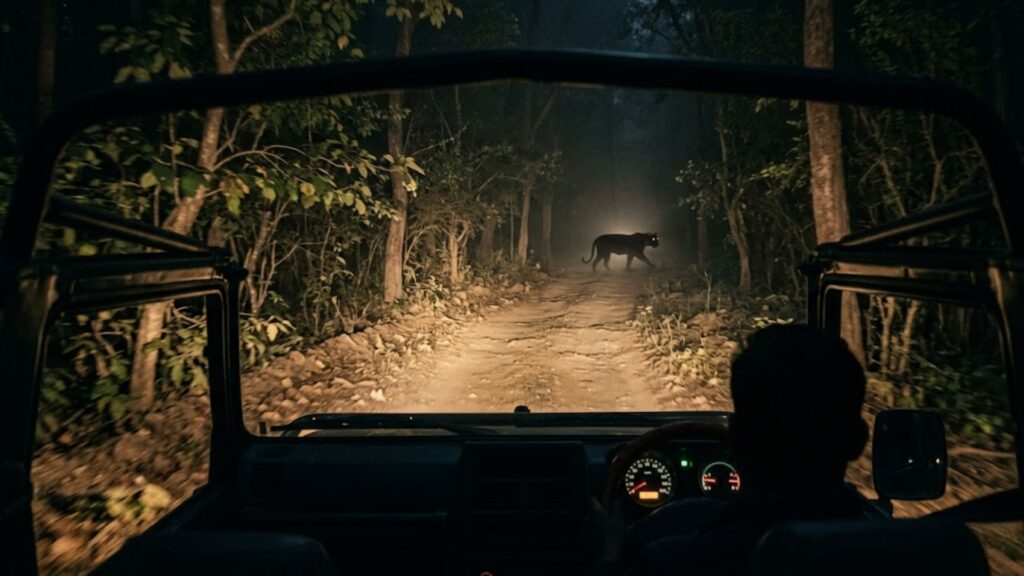
Night safaris are best for spotting animals that remain hidden during the day.
Some predators become more active at night.
Birdlife plays a big role in the experience.
Warmer nights often bring out reptiles and frogs, especially near water.
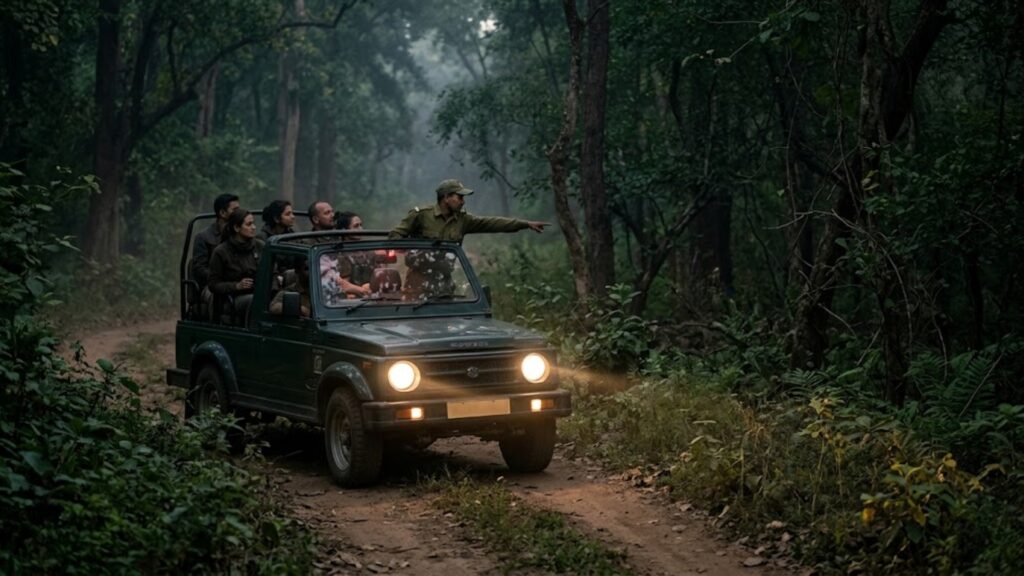
A night safari is slower and more unpredictable than a daytime drive. You rely more on your guide and your senses than on clear visibility. The headlights scan the forest, occasionally catching glowing eyes in the dark.
There are long quiet stretches, followed by brief moments of excitement. That contrast is what makes the experience memorable.
All night safaris require prior permission. Entry is limited and controlled. Booking through trusted operators like https://asiansafaris.com/ ensures proper permits and planning.
You must enter and exit within designated time slots.
No loud noise, no flash photography, and no stepping out of the vehicle.
Guides understand animal behavior and ensure both safety and ethical viewing.
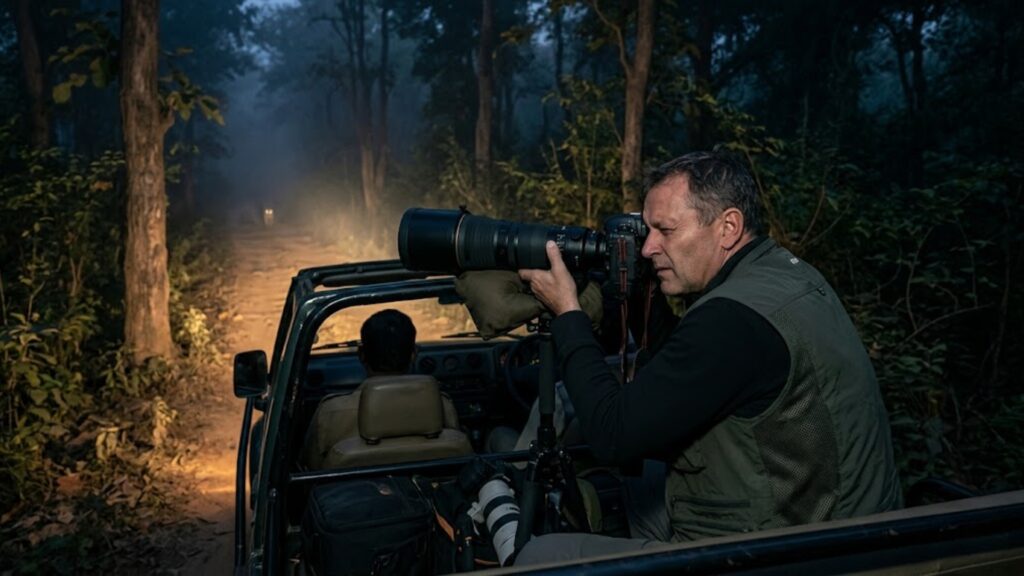
Wear neutral colors and carry a light jacket. Even in summer, nights can feel cooler.
Sightings are not guaranteed. The experience is about observation, not just ticking off animals.
You may not see a tiger, but you will likely witness behavior you would never see during the day.
Go with experienced providers who follow responsible tourism practices. You can explore curated wildlife journeys through Asian Safaris to ensure a well-planned experience.
Night safaris in India offer a deeper understanding of the forest. They shift your focus from big sightings to subtle details and natural rhythms.
If planned well, they can become one of the most memorable parts of your wildlife journey. Whether it is a silent leopard crossing your path or the distant call of an owl, the experience stays with you long after the safari ends.