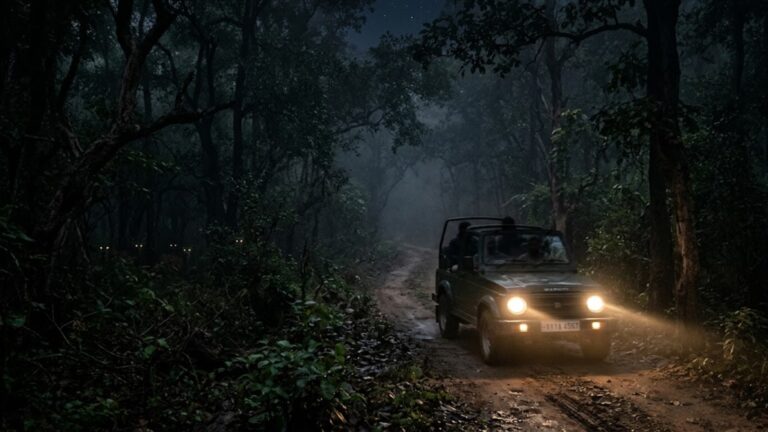
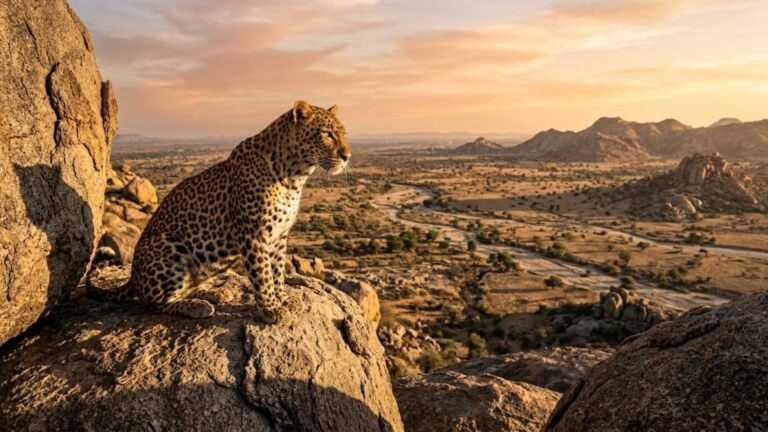
Book Your Safari
Complete the form below to reserve your safari. Our team will confirm your booking and offer further details.
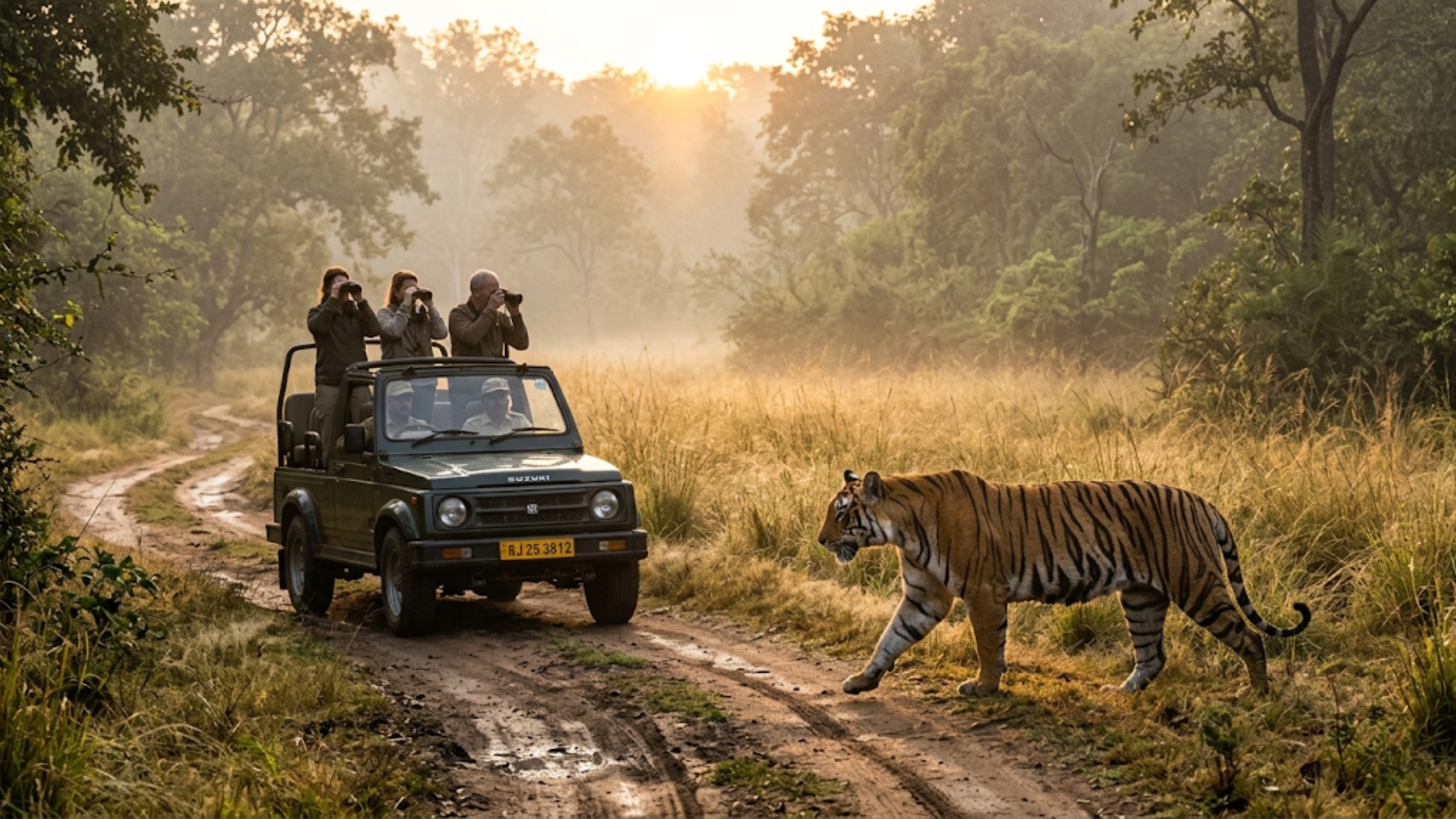
A first wildlife safari feels exciting in theory. You imagine close tiger sightings, golden sunsets, and dramatic jungle moments straight out of documentaries. Then reality arrives. The safari jeep is dusty. Wildlife sightings take patience. Wake-up calls happen before sunrise. Your camera suddenly feels confusing. And the forest follows its own rules, not your itinerary.
That is exactly why a first safari becomes unforgettable.
Wildlife travel is not just about spotting animals. It is about understanding landscapes, respecting nature, and learning how to slow down. Asia offers some of the most rewarding safari experiences in the world, especially across India, Nepal, Bhutan, and Sri Lanka. Each destination delivers a completely different ecosystem, culture, and style of wildlife adventure.
Whether you want to photograph Bengal tigers, search for snow leopards, track rhinos through grasslands, or witness Asian elephants in the wild, preparing properly makes a huge difference.
This detailed first time wildlife safari guide explains what most travel blogs skip. You will learn how safaris actually work, what mistakes beginners make, how to prepare, and what to expect from wildlife journeys across South Asia.
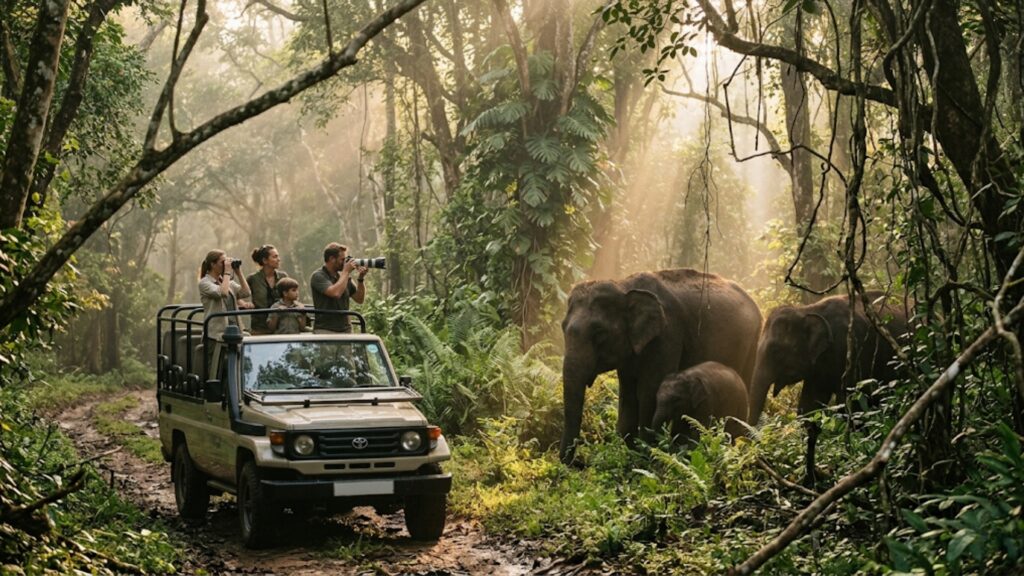
A safari is not a typical holiday. You are entering an unpredictable natural environment where wildlife always comes first.
Unlike city tours or beach vacations, safaris demand patience and awareness. Some drives may produce incredible sightings. Others may feel quiet. That unpredictability is part of the experience.
Many first-time travelers expect guaranteed animal encounters because documentaries make wildlife viewing appear constant. In reality, experienced safari travelers know the magic lies in the search itself.
You begin noticing bird calls, alarm calls from deer, fresh paw prints, broken branches, and movement in the grass. Over time, the jungle teaches you how to observe.
This is why guided wildlife journeys through trusted operators like AsianSafaris create a far more immersive experience than rushed group tourism.
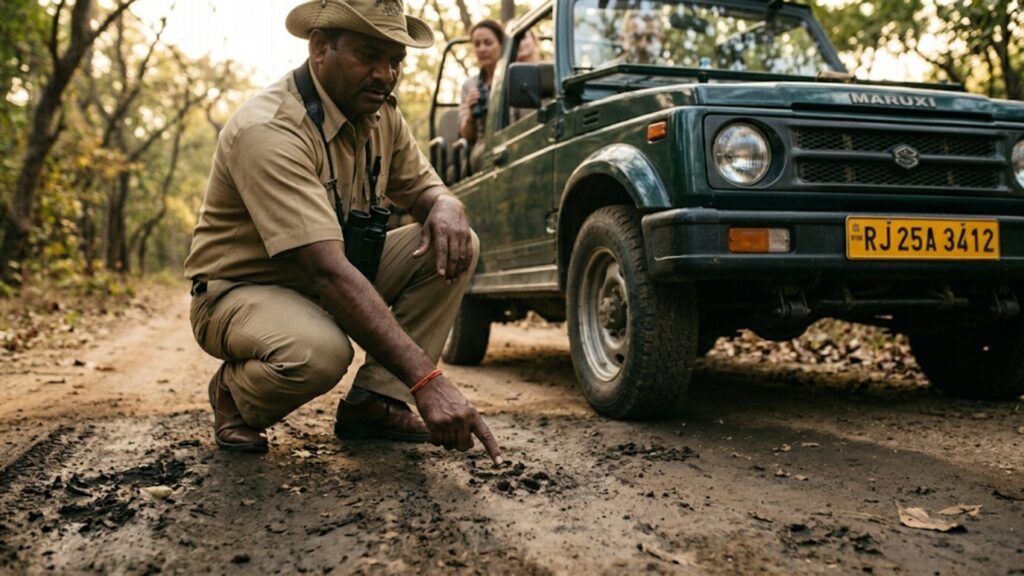
Even the best national parks cannot promise tiger sightings or leopard encounters every day. Animals move freely across massive landscapes.
A successful safari should not be measured only by one famous species. Many travelers remember unexpected moments more vividly than headline sightings. Watching wild elephants cross a misty road at sunrise or hearing a distant leopard call at night often becomes the highlight.
Most wildlife activity happens during cooler hours. Safari schedules usually begin before sunrise.
Your daily routine may include:
The schedule sounds exhausting beforehand, but once you experience dawn inside a jungle, it makes complete sense.
First-time safari travelers often pack only lightweight clothing because they imagine tropical heat. Early morning jeep rides can feel extremely cold, especially in open vehicles.
Layered clothing works best. Temperatures may change dramatically between dawn and afternoon.
Many beginners focus only on taking photos. Experienced safari guides know silence improves wildlife encounters.
Animals react to noise and movement. Quiet observation often rewards travelers with longer and calmer sightings.
A skilled naturalist transforms a safari from ordinary to extraordinary. Great guides explain animal behavior, track signs, bird calls, ecosystems, and conservation stories.
This is especially important in biodiverse regions like India and Sri Lanka where forests support hundreds of species beyond the famous predators.
India remains one of the best wildlife safari destinations on Earth. The country combines rich biodiversity, excellent safari infrastructure, luxury lodges, and iconic species.
India offers:
National parks like Ranthambore National Park, Bandhavgarh National Park, and Kanha National Park are famous for Bengal tiger sightings.
According to Project Tiger by National Tiger Conservation Authority, India now hosts the majority of the world’s wild tiger population.
Travelers looking for immersive jungle experiences can also explore the safari itineraries on AsianSafaris India Wildlife Tours.
Nepal delivers a very different safari atmosphere. The country combines subtropical jungles with Himalayan scenery and rich local culture.
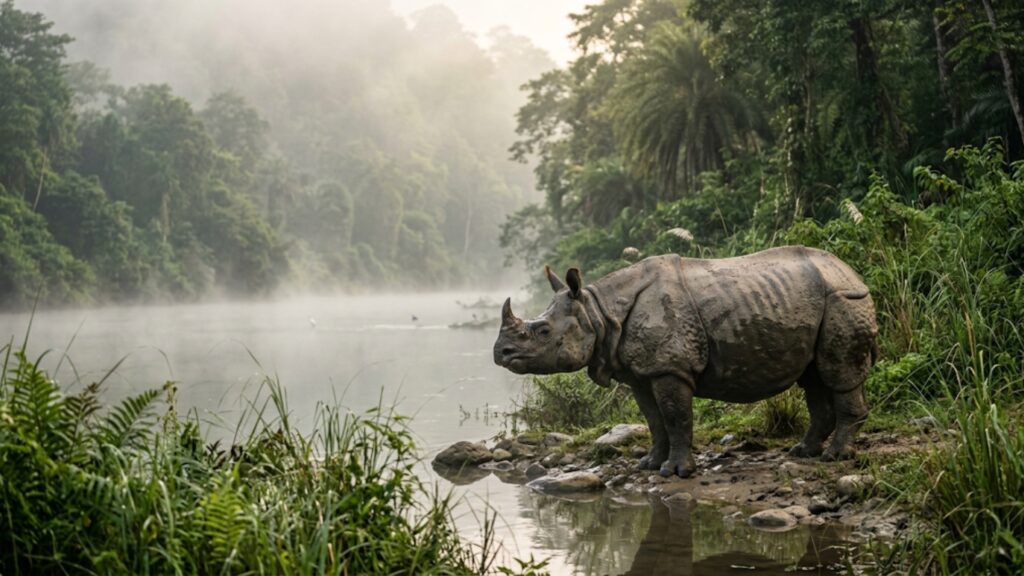
Chitwan National Park remains Nepal’s most accessible wildlife destination.
Here, travelers often spot:
The park is also recognized as a UNESCO World Heritage Site by UNESCO World Heritage Centre.
Unlike India’s jeep-heavy safari style, Nepal often combines jeep safaris, canoe rides, nature walks, and village experiences.
Nepal’s wildlife tourism tends to feel slower and more intimate. Travelers who enjoy quieter forests and fewer vehicles often prefer Nepal.
The combination of wildlife and Himalayan culture creates a balanced adventure.
Bhutan is less commercialized than other safari destinations, which makes it deeply rewarding for nature lovers.
Bhutan prioritizes environmental protection and sustainable tourism. Forests cover much of the country, supporting rare Himalayan species.
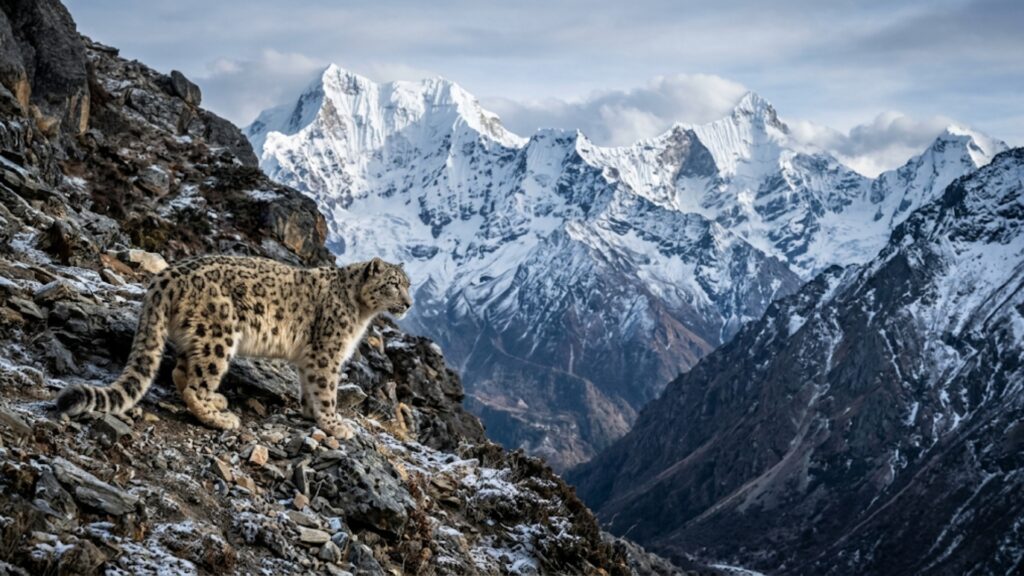
Wildlife enthusiasts may encounter:
Bhutan is not about fast-paced tiger tracking. It focuses more on trekking, remote wilderness, mountain ecosystems, and conservation.
Travelers seeking meaningful eco-tourism experiences often appreciate Bhutan’s slower pace and strong cultural connection with nature.
You can learn more about Bhutan conservation initiatives through World Wildlife Fund Bhutan Program.
Sri Lanka packs remarkable biodiversity into a relatively compact island.
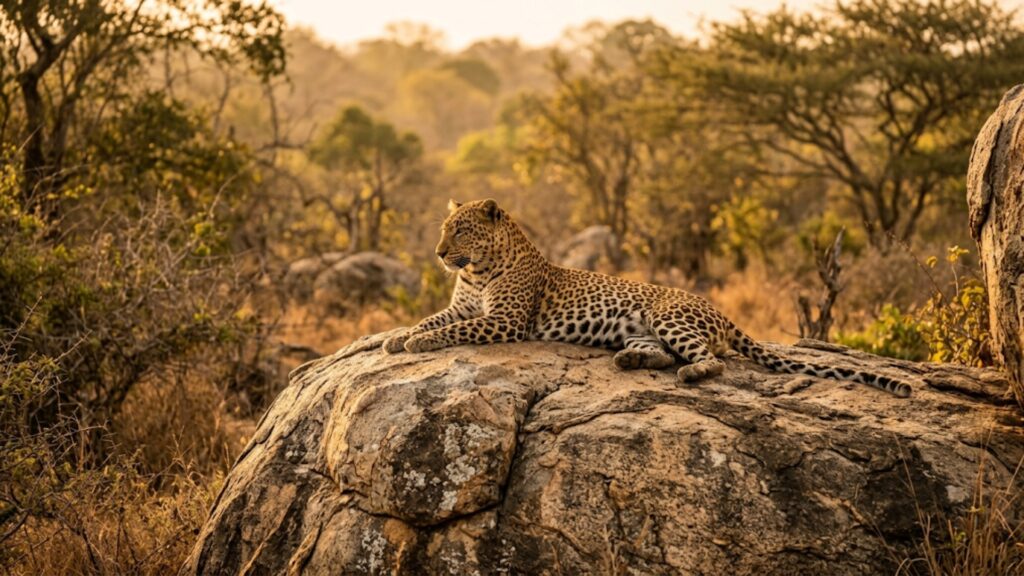
Yala National Park is especially famous for leopard density.
First-time safari travelers love Sri Lanka because:
The best safari operators avoid overcrowded routes and focus on ethical wildlife viewing practices.
For travelers planning combined wildlife and cultural trips, AsianSafaris Sri Lanka Tours offers curated safari experiences.
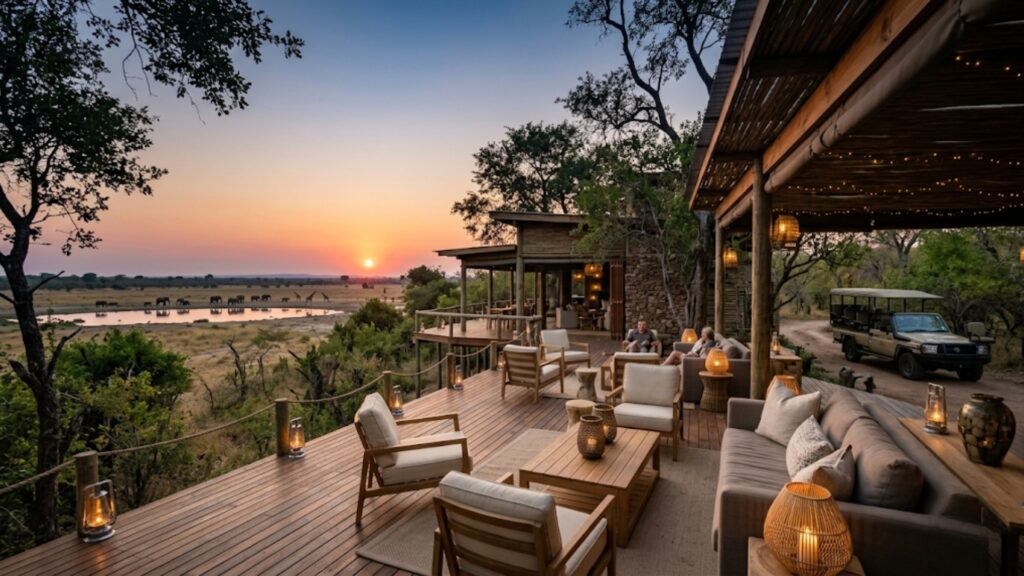
Luxury wildlife lodges provide:
It works well for honeymooners, photographers, and travelers wanting comfort alongside adventure.
Budget safaris can still deliver incredible wildlife encounters. However, accommodations and vehicles may feel simpler.
Focus on guide quality and park selection rather than luxury alone.
Private safaris offer:
Shared safaris reduce costs but may involve larger groups and less flexibility.
Packing correctly improves both comfort and wildlife viewing.
Bring:
Avoid bright colors because they may disturb wildlife.
Do not overlook:
Many first-time travelers spend heavily on cameras while ignoring binoculars. Good binoculars dramatically improve the safari experience.
You notice distant birds, hidden predators, and subtle movement long before cameras capture them.
Wildlife observation requires patience. Forests have quiet periods.
Some of the most experienced safari travelers enjoy the atmosphere itself rather than chasing nonstop sightings.
Bright white clothing, strong perfumes, and noisy accessories disrupt wildlife encounters.
Practical outdoor clothing works best.
Guides understand animal behavior and park conditions. Listening carefully often leads to better sightings.
Photography matters, but constantly watching wildlife through a camera can reduce the emotional experience.
Take photos, then pause and observe naturally.

The best safari season in many Indian parks runs from October to June. Tiger sightings often improve during hotter months because animals visit water sources more frequently.
October to March offers comfortable weather and excellent visibility.
Spring and autumn provide ideal trekking and wildlife conditions.
Safari timing depends on regional monsoon patterns. Different national parks perform better during different months.
Research seasonal conditions carefully before booking.
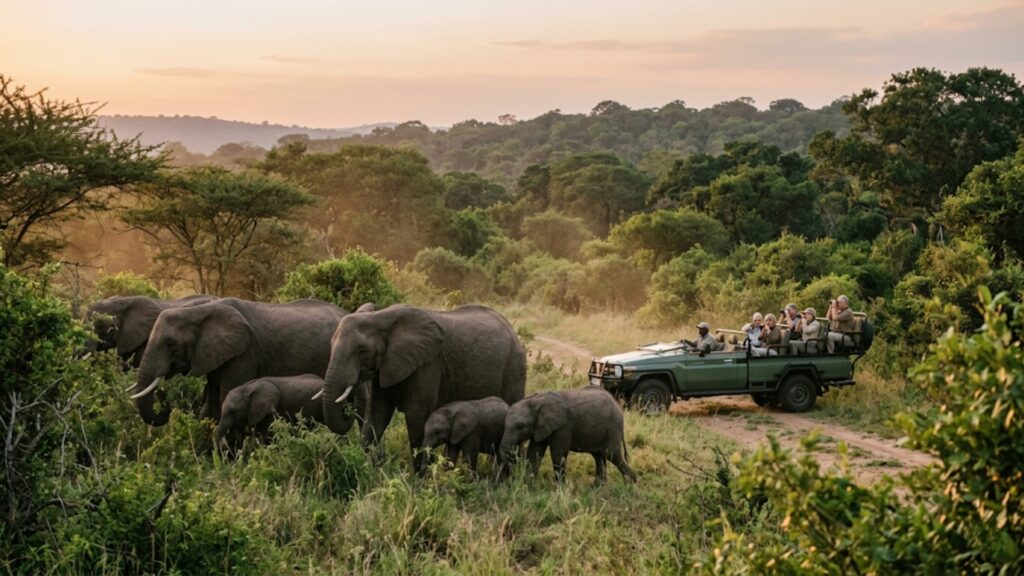
Responsible tourism protects fragile ecosystems.
Choose safari operators that:
Ethical safari practices ensure future generations can continue experiencing Asia’s wildlife heritage.
Organizations like World Wildlife Fund and International Union for Conservation of Nature regularly emphasize the importance of sustainable tourism in biodiversity protection.
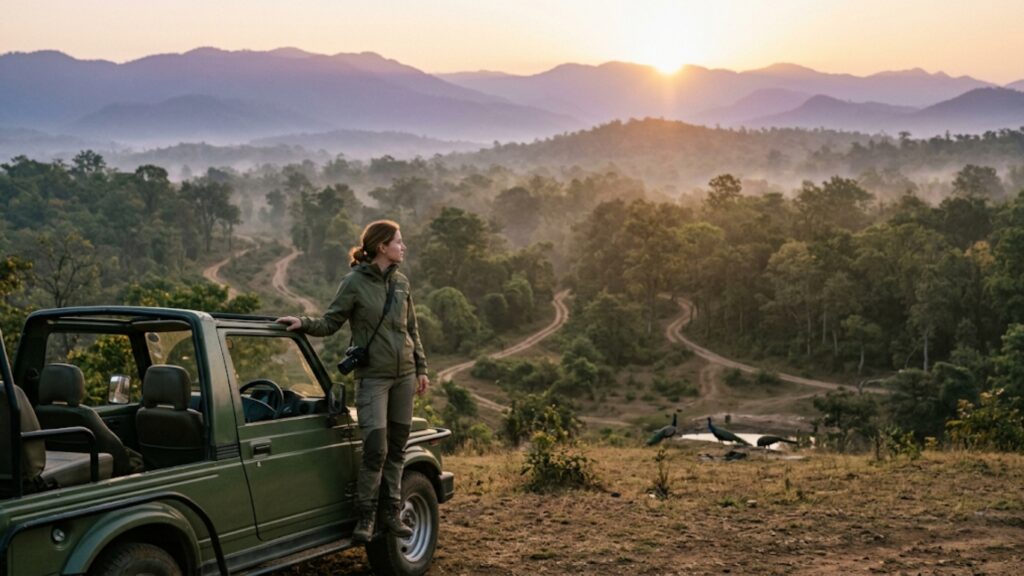
A wildlife safari changes your relationship with nature.
You become more patient. More observant. More aware of silence and detail.
Many travelers arrive expecting adventure photography and leave with something deeper: respect for ecosystems and the realization that humans are only one part of a much larger world.
That perspective often becomes the most valuable takeaway.
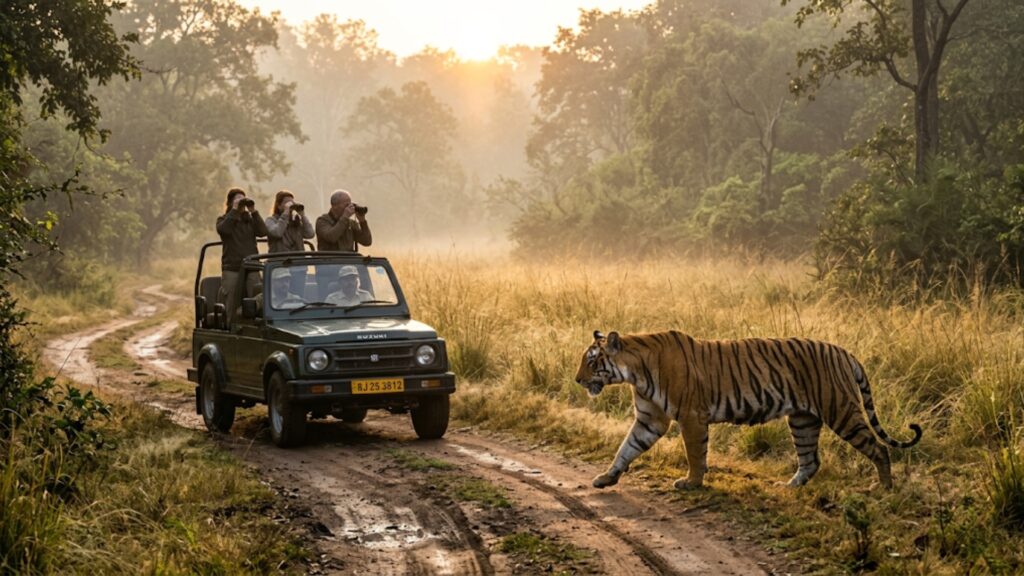
South Asia offers extraordinary diversity within relatively short travel distances.
In one region, you can:
Very few parts of the world combine such dramatic biodiversity with rich cultural experiences.
Travelers interested in multi-country wildlife journeys can also explore curated itineraries through AsianSafaris Wildlife Experiences for customized safari planning.
Your first wildlife safari may not unfold exactly as expected. That is part of the magic.
Some days bring extraordinary sightings. Others offer stillness, landscapes, and quiet observation. Both experiences matter equally.
The key is entering the wilderness with curiosity rather than rigid expectations.
Whether you choose the tiger reserves of India, the rhino grasslands of Nepal, the mountain wilderness of Bhutan, or the leopard-rich forests of Sri Lanka, your first safari will likely become one of your most memorable travel experiences.
The jungle rewards patience, awareness, and respect. Once you experience that connection with the wild, ordinary travel rarely feels the same again.