Book Your Safari
Complete the form below to reserve your safari. Our team will confirm your booking and offer further details.

Kaziranga’s Rhino Boom has become one of India’s most exciting wildlife success stories. The surge in rhino numbers at Kaziranga National Park in Assam during 2025 has captured global attention. This boom highlights years of dedicated conservation work and draws travelers eager to witness Asia’s most spectacular population of greater one-horned rhinos. From jeep safaris to guided nature walks, the park offers unmatched opportunities to experience this conservation triumph firsthand. This article explores what the 2025 rhino boom means for tourists, how it affects safaris, and how visitors can contribute to protecting this remarkable species.
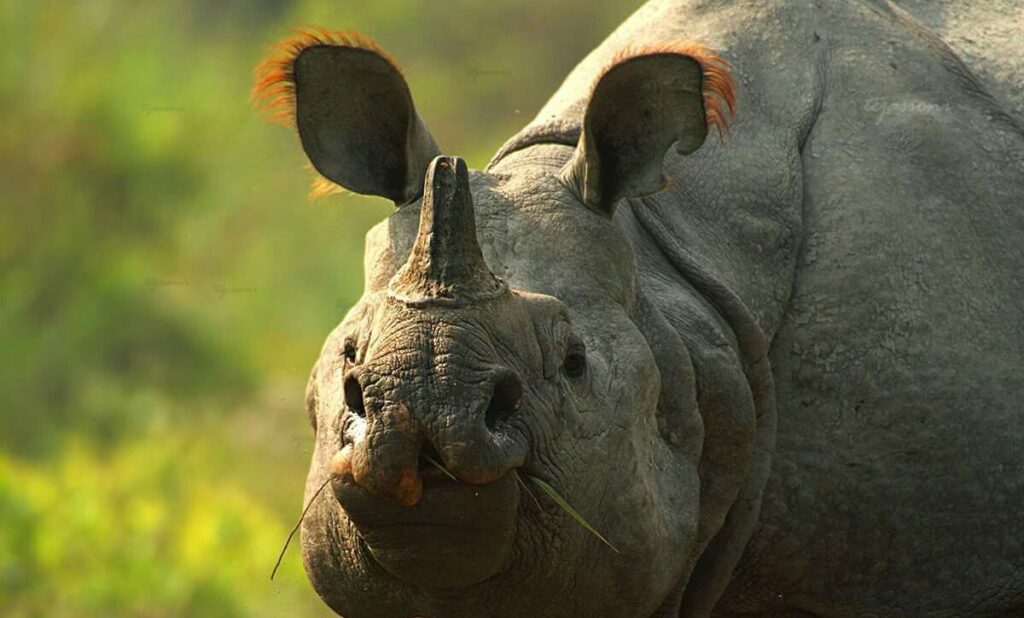
Kaziranga sits at the center of the greater one-horned rhino’s recovery story. By early 2025 the regional rhino population reached roughly 4,075 individuals. Much of that growth concentrates in Assam and in Kaziranga itself. The numbers reflect decades of focused anti-poaching efforts, habitat management, and community engagement.
Stronger surveillance and improved park management have reduced poaching losses. Habitat restoration and better flood management have lowered natural mortality in some years. Community-led projects now tie local livelihoods to rhino protection. Together these actions have created the conditions for steady population growth, which continues to make Kaziranga National Park one of the most rewarding destinations for wildlife travelers.
A rising rhino population changes the experience on the ground. It increases the odds of sighting rhinos on jeep safaris and elephant patrols. It also attracts more photographers, wildlife filmmakers, and international travelers wanting a high-probability rhino encounter. For the local economy the benefits are real. More visitors mean more business for lodges, guides, and artisans.
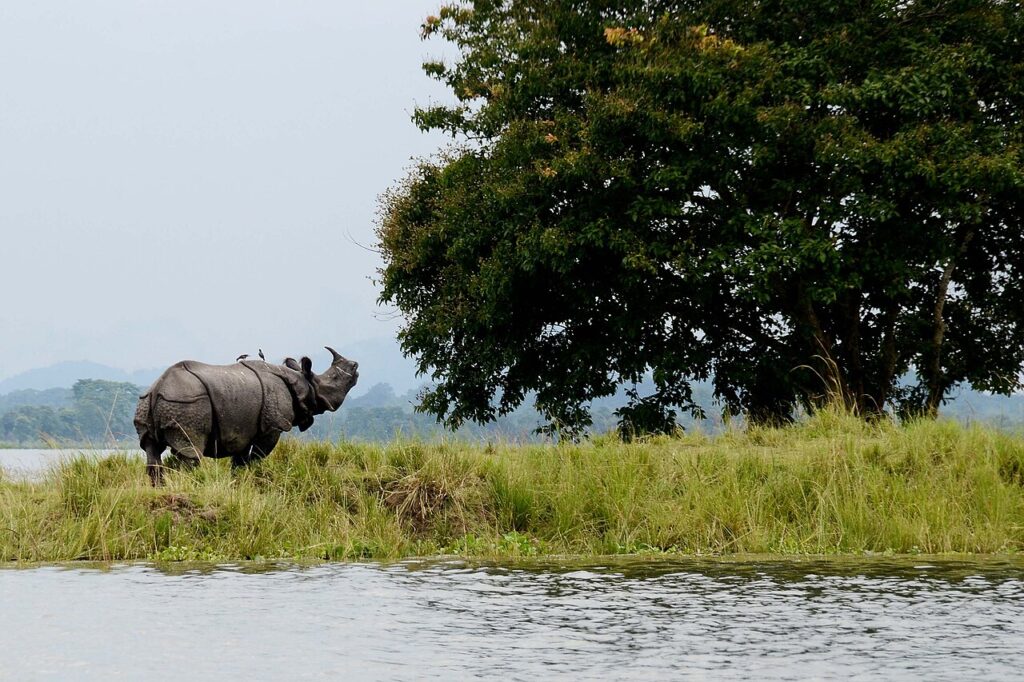
With more rhinos in and around Kaziranga, visitors have higher chances of seeing these animals. Guides report more frequent encounters in classic ranges such as Bagori and Kohora. However, popularity brings higher footfall. Expect more vehicles at prime viewing times. Plan safaris early or choose lesser-known ranges to avoid crowds.
Park authorities have adjusted range openings and vehicle quotas to manage pressure. Some ranges now use staggered entry times. The park recently reopened Agoratoli range to spread visitor load and to promote new viewing zones. These changes aim to protect habitats while keeping sightings reliable.
Operators are launching tailored experiences around the rhino story. Expect sunrise safaris, photo-centric tours, community homestays, and guided birding extensions. Local craft stalls and eco-centers provide context about rhinos and Assam’s ecology. For more details about planning your wildlife journey, visit AsianSafaris’ India experiences page.
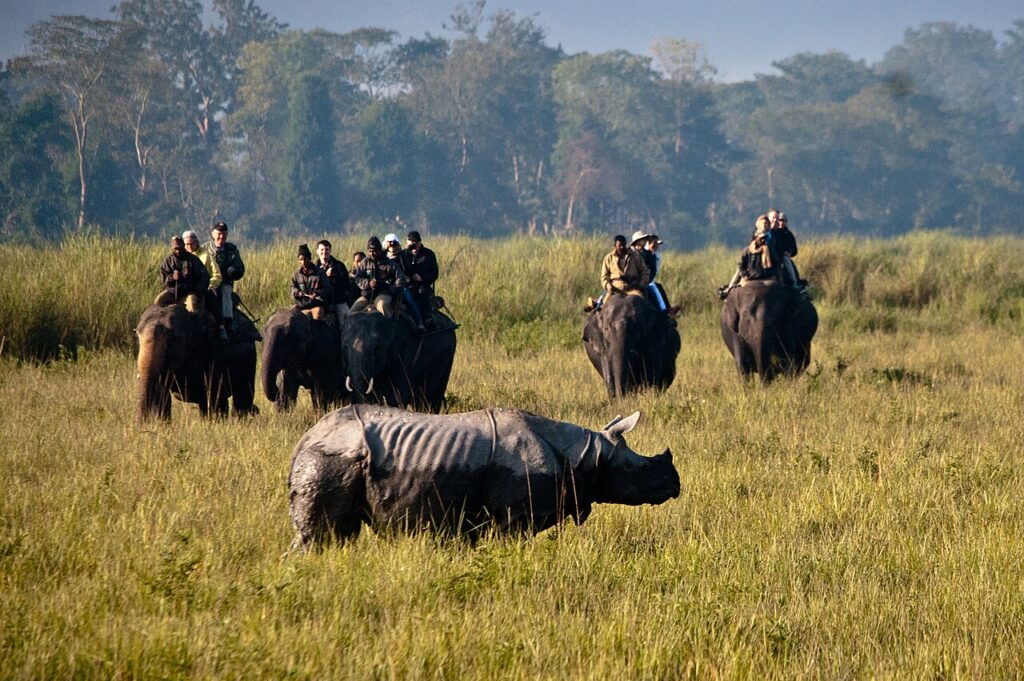
The best season for rhino viewing is the dry season. The park is usually most accessible from November to April. These months have lower water levels and open grasslands, which make rhinos easier to find. Monsoon months bring floods and temporary closures.
Book jeep safaris and elephant rides through official park counters or your lodge. Popular time slots fill fast, especially after the 2025 surge in interest. If you want a quieter experience, ask guides about the Agoratoli and Central ranges. Many lodges also help secure permits.
Kaziranga offers a range of accommodation. Choose a property that supports sustainable practices. Smaller camps near buffer zones often provide quieter access and strong local ties. Upscale lodges near Kohora are convenient for first-time visitors who prefer shorter transfers.
Follow park rules. Keep a safe distance from animals. Do not attempt to feed or approach rhinos. Carry basic first-aid items and follow guides’ instructions during floods, which still occur in the region during extreme monsoon years.
Rhinos are large but vulnerable. Avoid disruptive behavior like loud noises or flash photography near animals. Stay inside authorized vehicles. Always listen to the guide and forest staff.
Pick local guides and buy local crafts. Many villages around Kaziranga now sell eco-handicrafts. Your spending supports conservation-linked livelihoods. It reduces the economic incentives for wildlife crime.
Use reusable water bottles and avoid single-use plastics. Choose lodges with waste-management practices. Travel slow. A longer stay spreads benefits beyond a single day of sightings.
A concentrated rhino population increases the pressure on available habitat. Conservationists call for expanding protected areas and restoring wildlife corridors. Successful translocations and corridor projects can reduce density pressure and decrease disease risks.
Increased rhino numbers make strong anti-poaching systems more critical. Authorities have stepped up patrols and intelligence-led actions. Continued funding and community support remain essential to prevent setbacks.
The 2025 surge provides new data for scientists. Improved monitoring helps managers make evidence-based decisions. Studies on rhino movement, vegetation use, and human-wildlife conflict guide long-term planning.
Higher tourist numbers risk altering rhino behavior. Disturbed rhinos may avoid traditional grazing areas or shift activity patterns. Help reduce disturbance by following guide instructions and choosing low-impact viewing options.
Kaziranga lies in a floodplain. Heavy rains can close ranges and displace animals. Check local weather and park announcements before travel. Lodges with contingency plans and experienced staffs are better prepared to ensure guest safety.
Poaching remains a threat, though intensified protection has driven down incidents in recent years. Tourists should be cautious about any offers of wildlife products. Report suspicious activity to park authorities.
Tourism growth supports more jobs in guiding, hospitality, transport, and crafts. Local entrepreneurs are building small eco-lodges and cultural experiences. Many initiatives aim to ensure that local people benefit directly from rhino conservation.
Increased revenues have funded roads, craft centers, and education programs. Some conservation fees support community development. Tourists who choose operators with clear benefit-sharing policies help sustain these projects.
The rhino boom means photographers can expect higher encounter rates. Still, good shots require patience and respect for animal welfare. Use long lenses and remain inside the vehicle.
Commercial shoots require permits from park authorities. If you plan professional work, coordinate well ahead with the park office and your lodge. Unpermitted filming risks fines and project shutdown.
Arrive in the morning. Check into a lodge near Kohora. After lunch, take a sunset jeep safari in the Central range. Attend an evening talk on rhino conservation at the lodge.
Early morning elephant-back safari for close but controlled viewing. Midday rest. Afternoon visit to a nearby village to see local crafts and conservation projects.
Morning birding in a buffer zone or wetland area. Late morning drive back toward Guwahati or your next destination. For those continuing, consider a combined Manas or Pobitra extension.
1. Can I guarantee a rhino sighting?
No guarantee, but probabilities have improved since 2025. Choosing ranges known for rhino density and traveling with an experienced guide increases your odds.
2. Is Kaziranga safe now for international tourists?
Yes. The park operates under strict safety protocols. Stay updated on local advisories and follow instructions from park officials.
3. How should I prepare for floods?
Bring waterproof gear during monsoon months. Check cancellation policies and buy flexible tickets. Lodges usually share contingency plans for high-water events.
Kaziranga’s rhino boom in 2025 marks a conservation milestone and a new chapter for wildlife tourism in Assam. For tourists the benefits are tangible. You will likely see rhinos more often and enjoy richer wildlife experiences. At the same time the boom raises responsibilities. Choose tours that support conservation and local communities. Travel with respect, and you will help sustain this success story for generations.