Book Your Safari
Complete the form below to reserve your safari. Our team will confirm your booking and offer further details.
For decades, tiger safaris dominated India’s wildlife tourism narrative. The allure of spotting the elusive Bengal tiger drew travelers from across the globe. But things are changing. A new trend is quietly reshaping safari itineraries across the country. Leopard safaris in India are gaining momentum, attracting seasoned wildlife enthusiasts and first-time travelers alike.
This shift is not about replacing tigers. Instead, it reflects a deeper evolution in traveler preferences. Visitors are now seeking more nuanced, intimate, and frequent wildlife encounters. Leopards, with their adaptability and widespread presence, offer exactly that.
Let’s break down why leopard safaris in India are trending and why they might just redefine your next wildlife journey.
Unlike tigers, leopards thrive in a wide range of habitats. You can find them in dense forests, rocky hills, grasslands, and even near human settlements. This adaptability increases the chances of sightings, making leopard safaris in India more rewarding for many travelers.
In several parts of India, leopard populations are stable and relatively dense. Regions like Jawai in Rajasthan have become hotspots where sightings are not just possible but highly probable.
Leopards are primarily nocturnal, but in certain areas, they have adapted to be active during daylight hours. This behavioral shift significantly enhances safari experiences, especially for photographers.
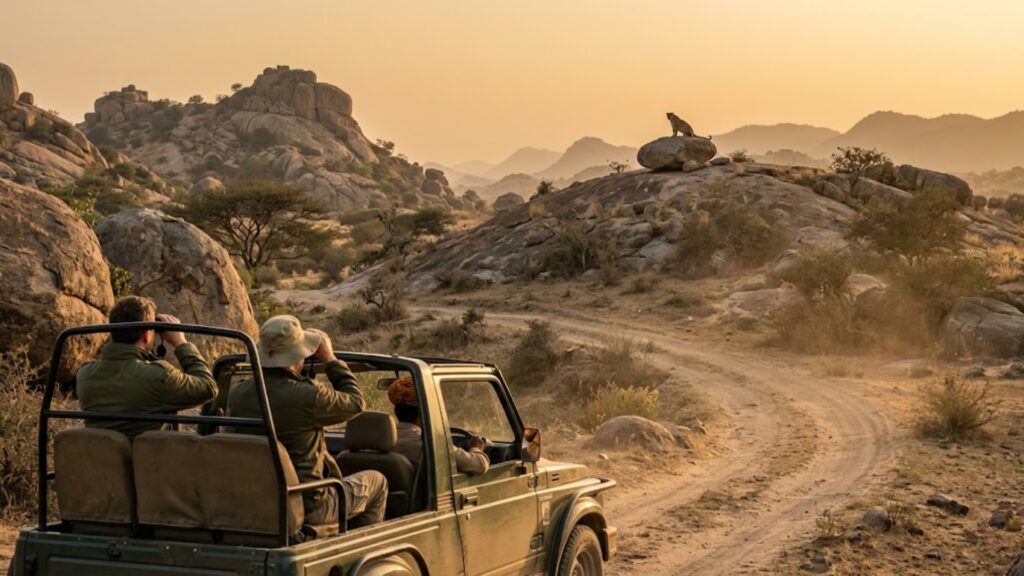
One of the biggest frustrations in tiger safaris is the unpredictability. While the thrill of the chase is part of the experience, not everyone wants to leave empty-handed. Leopard safaris in India offer a higher probability of sightings, especially in specialized regions.
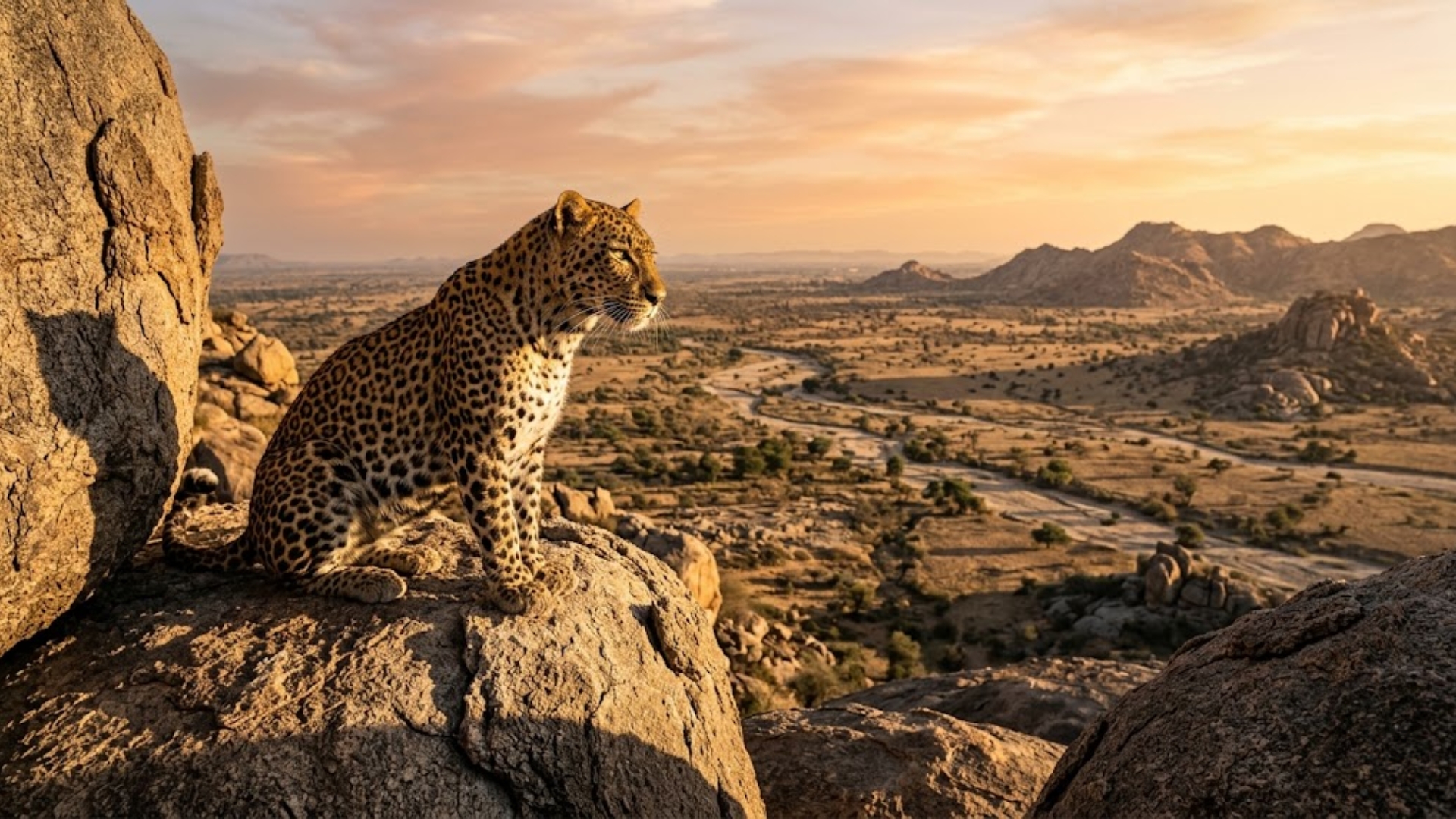
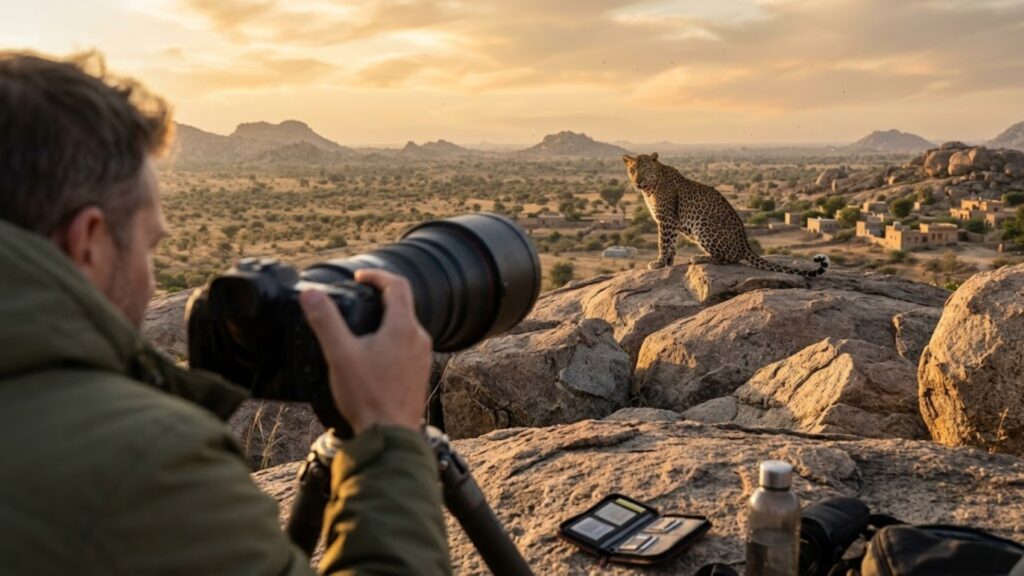
Leopard habitats often include dramatic landscapes. Rocky outcrops, granite hills, and open scrublands provide stunning backdrops for wildlife photography. This adds another layer of appeal beyond just the animal itself.
Many leopard safari destinations offer smaller, more personalized experiences. Unlike crowded tiger reserves, these locations often limit vehicle numbers, creating a quieter and more immersive atmosphere.
Wildlife photographers are increasingly drawn to leopards. Their elusive nature, striking patterns, and dynamic behavior present a compelling challenge. The lighting conditions in open landscapes also allow for better photography compared to dense forests.
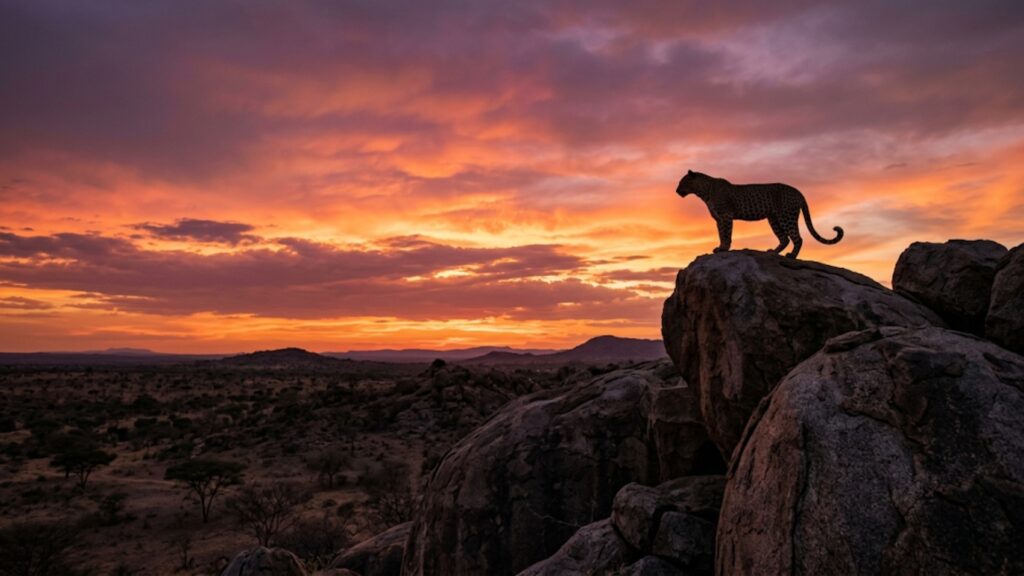
Jawai has emerged as one of the best places for leopard safaris in India. The region’s granite hills provide ideal hiding spots, while the open terrain ensures excellent visibility.
Leopards here coexist peacefully with local communities, creating a unique conservation model. Travelers often report multiple sightings within a single safari.
For more details on curated safari experiences, explore our internal guide on https://asiansafaris.com/india-wildlife-tours.
Close to Jawai, Bera offers similar terrain and equally rewarding sightings. It remains less commercialized, making it perfect for travelers seeking a quieter experience.
Located near Jaipur, Jhalana is one of India’s first dedicated leopard reserves. It offers easy accessibility and high sighting success rates, making it ideal for short wildlife getaways.
You can also check official updates on park timings and bookings through https://www.rajasthan.gov.in.
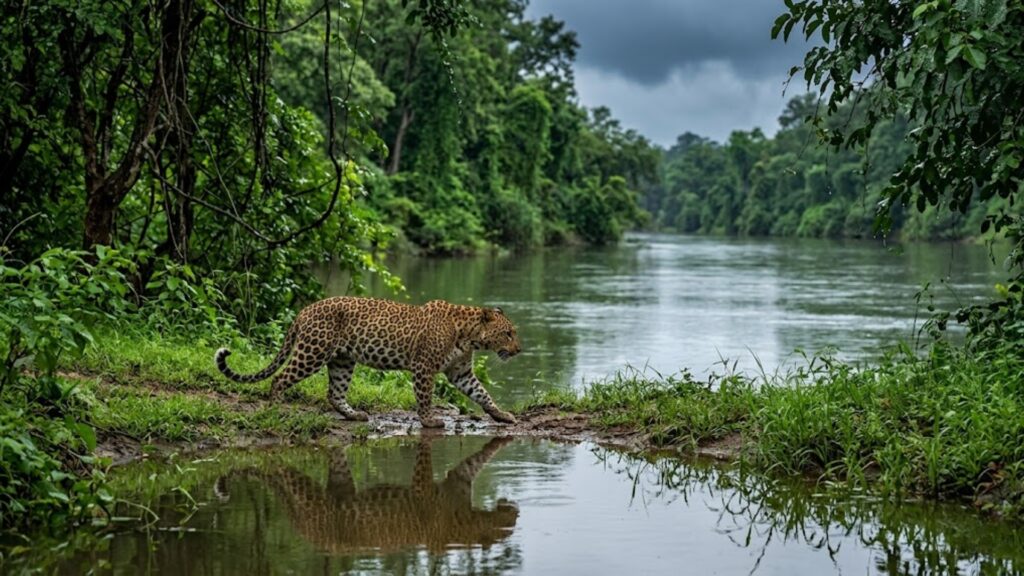
While Kabini is famous for black panther sightings, it also hosts a healthy leopard population. The dense forests and riverbanks create a different kind of safari experience compared to Rajasthan.
Satpura offers a mix of walking safaris, boat safaris, and jeep safaris. Leopards here are harder to spot, but the overall wilderness experience is unmatched.
Tigers remain rarer and more iconic. Spotting one still feels like a major achievement. However, this rarity also means fewer sightings.
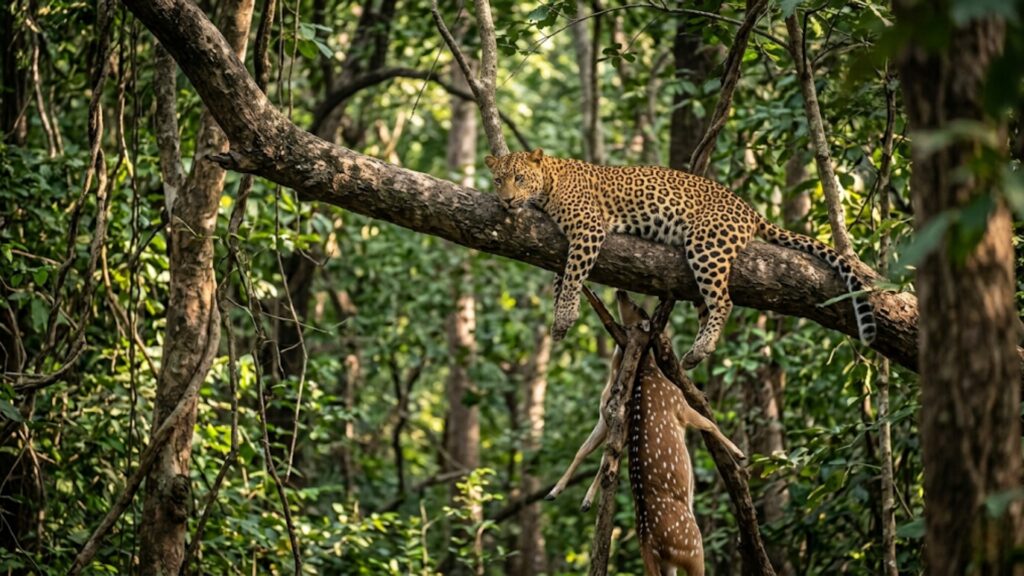
Leopards are more adaptable and often more elusive. They climb trees, move silently, and blend into their surroundings. This makes each sighting feel special.
Tiger reserves often involve long waits and crowded zones. Leopard safaris tend to be more relaxed, with fewer vehicles and more flexibility.
If your goal is to see a tiger at any cost, traditional reserves remain your best bet. But if you value frequent sightings, diverse landscapes, and quieter safaris, leopard safaris in India offer a compelling alternative.
Regions like Jawai demonstrate how wildlife and humans can coexist. Local communities play a crucial role in protecting leopards, often seeing them as part of their ecosystem.
Leopard tourism is often less intrusive. Smaller safari operations reduce environmental pressure while still generating income for local communities.
By choosing leopard safaris, travelers contribute to broader conservation goals. Tourism revenue helps fund anti-poaching initiatives and habitat preservation.
Learn more about conservation programs through https://www.wwfindia.org.
This is the most comfortable time for travel. The weather is pleasant, and wildlife activity remains consistent.
Summer offers the best chances for sightings. Animals frequent water sources, making them easier to spot. However, temperatures can be high.
Some parks remain closed during monsoon. However, regions like Jawai often stay accessible, offering lush landscapes and fewer tourists.
Not all parks offer the same experience. Research and select locations known for consistent sightings.
Local trackers and guides play a crucial role. Their knowledge can significantly improve your chances of spotting wildlife.
Leopards are masters of camouflage. Stay alert and trust your guide’s instincts.
A zoom lens and fast shutter speed can make a huge difference. Leopards move quickly, so preparation is key.
Modern travelers seek experiences over checklists. The journey matters as much as the destination. Leopard safaris align perfectly with this mindset.
Popular destinations are becoming crowded. Travelers now prefer lesser-known locations that offer authenticity and exclusivity.
Stunning images from places like Jawai have fueled interest. The visual appeal of leopard habitats makes them highly shareable.
AsianSafaris specializes in curated wildlife experiences across India. Whether you want a luxury stay in Jawai or a multi-destination itinerary, the team ensures every detail is taken care of.
Explore more options at https://asiansafaris.com.
Leopard safaris in India are not just a trend. They represent a shift in how travelers engage with nature. With higher sighting probabilities, diverse landscapes, and immersive experiences, they offer a refreshing alternative to traditional wildlife tourism.
If you are planning your next safari, it might be time to look beyond tigers. The spotted predator is ready to take center stage.