Book Your Safari
Complete the form below to reserve your safari. Our team will confirm your booking and offer further details.
In the heart of Nepal’s southern plains lies Chitwan National Park, a UNESCO World Heritage Site and one of Asia’s most remarkable wildlife destinations. For travelers chasing the thrill of seeing endangered species in their natural habitat, Rhino & Tiger Safaris in Chitwan offer an experience unlike any other. The park’s dense forests, grasslands, and riverine landscapes create a sanctuary for one-horned rhinos, Bengal tigers, and hundreds of other species that define the region’s ecological richness.
This 2026 Expedition Guide is your detailed roadmap to planning an unforgettable safari in Chitwan—from the best times to visit and safari options to conservation insights and travel tips that will help you make the most of your adventure.
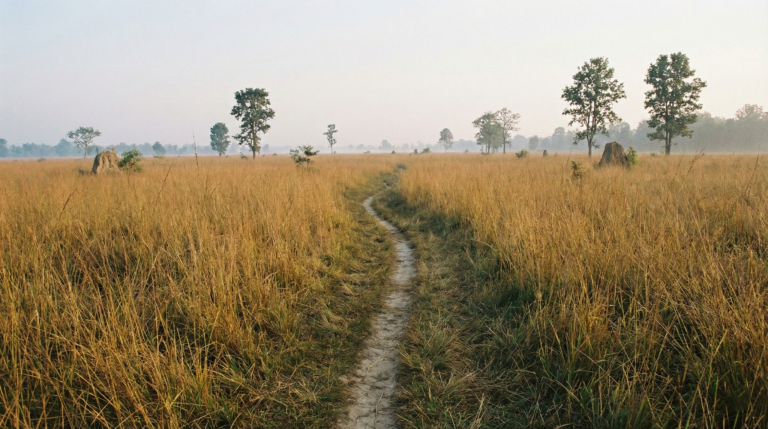
Established in 1973 and covering over 950 square kilometers, Chitwan National Park is Nepal’s oldest and most famous protected area. Its name translates to “Heart of the Jungle,” which perfectly describes its lush sal forests and open grasslands teeming with life.
The park’s extraordinary biodiversity includes over 700 species of wildlife and nearly 550 species of birds. While the one-horned rhinoceros and the Royal Bengal tiger are the star attractions, travelers also encounter Asian elephants, sloth bears, gharials, and wild boars. The Rapti and Narayani rivers meandering through the park create a thriving ecosystem that sustains both predator and prey.
For a quick overview of the park’s conservation success, the one-horned rhino population has grown from fewer than 100 in the 1970s to over 750 today. Similarly, tiger sightings are increasing thanks to strict anti-poaching measures and sustainable tourism practices.
The ideal time for Rhino & Tiger Safaris in Chitwan is from October to March. During this dry season, visibility improves as grasses are shorter and animals frequently gather near waterholes. The months of February and March are particularly rewarding, with comfortable weather and high chances of spotting tigers.
The monsoon season (June to September) brings lush greenery and birdwatching opportunities, but some areas may be inaccessible due to flooding. If your focus is big-game viewing, it’s best to avoid this period.
Chitwan is well-connected from both Kathmandu and Pokhara. You can reach Sauraha, the park’s main gateway, by:
For more on travel routes and local logistics, visit the Nepal Tourism Board’s official site.
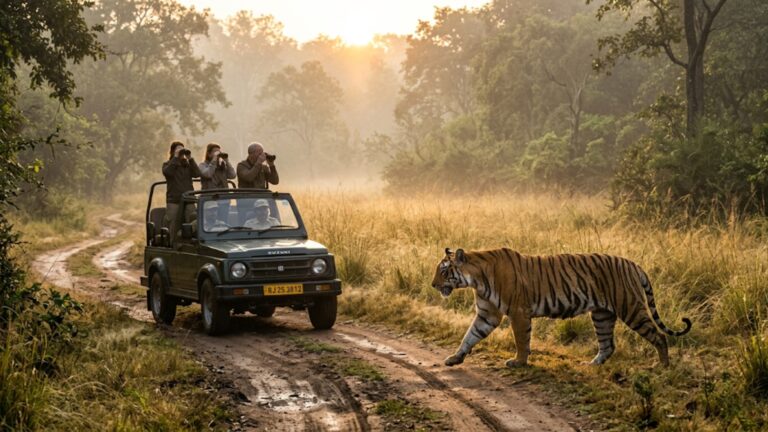
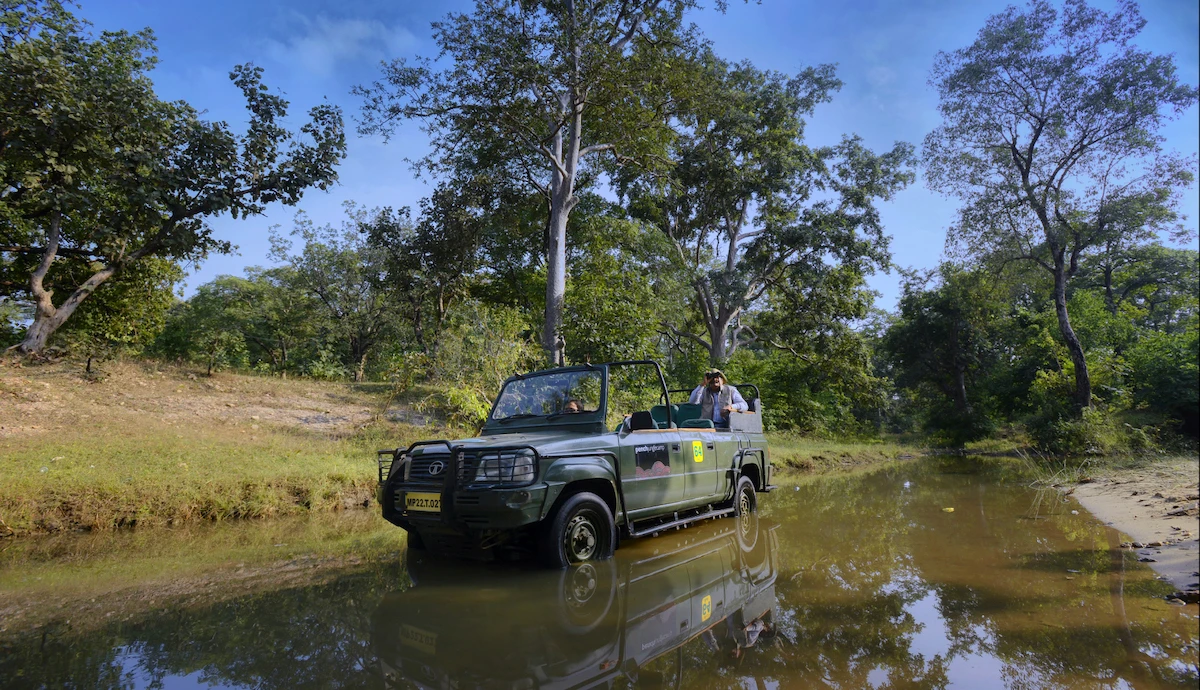
The most popular and efficient way to explore the park is by 4×4 jeep safari. These guided drives cover diverse habitats and increase your chances of encountering rhinos, tigers, and elephants. Morning safaris (6:30–11:00 AM) are ideal for wildlife activity, while afternoon safaris (3:00–6:00 PM) are great for photography.
For a quieter and more scenic perspective, canoe safaris along the Rapti River reveal crocodiles basking on riverbanks and rare bird species. This slow-paced journey is perfect for nature photographers and bird enthusiasts.
Accompanied by experienced naturalists, walking safaris offer close encounters with the jungle’s smaller wonders—flora, butterflies, and the thrill of following fresh animal tracks. It’s an intense, sensory experience that allows you to feel the pulse of the forest.
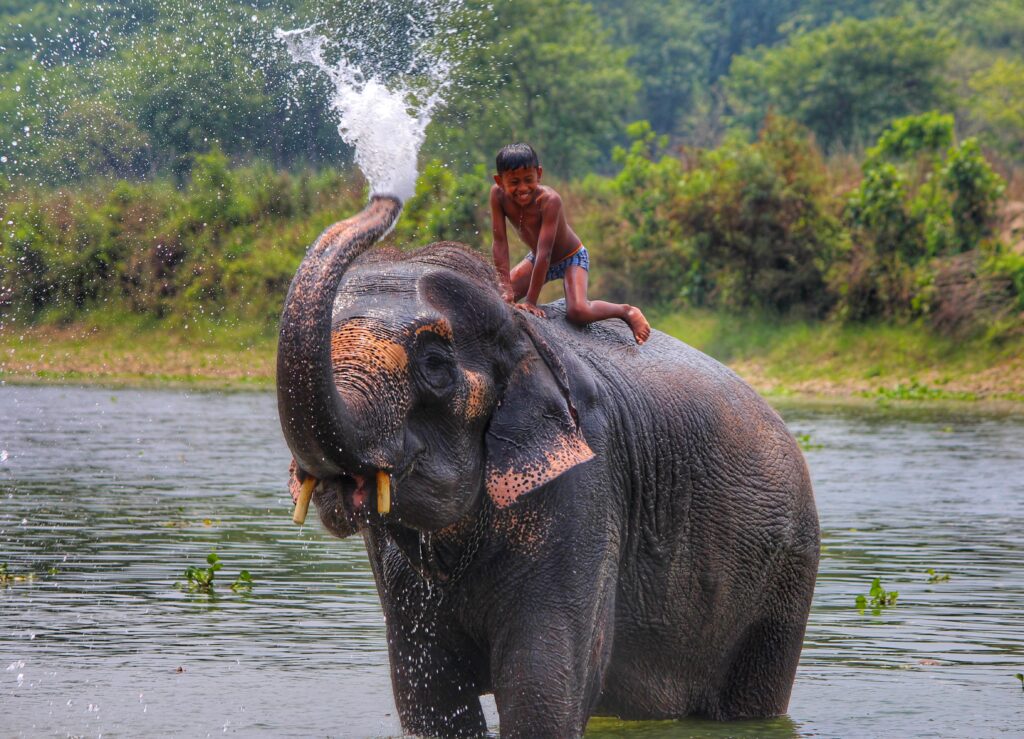
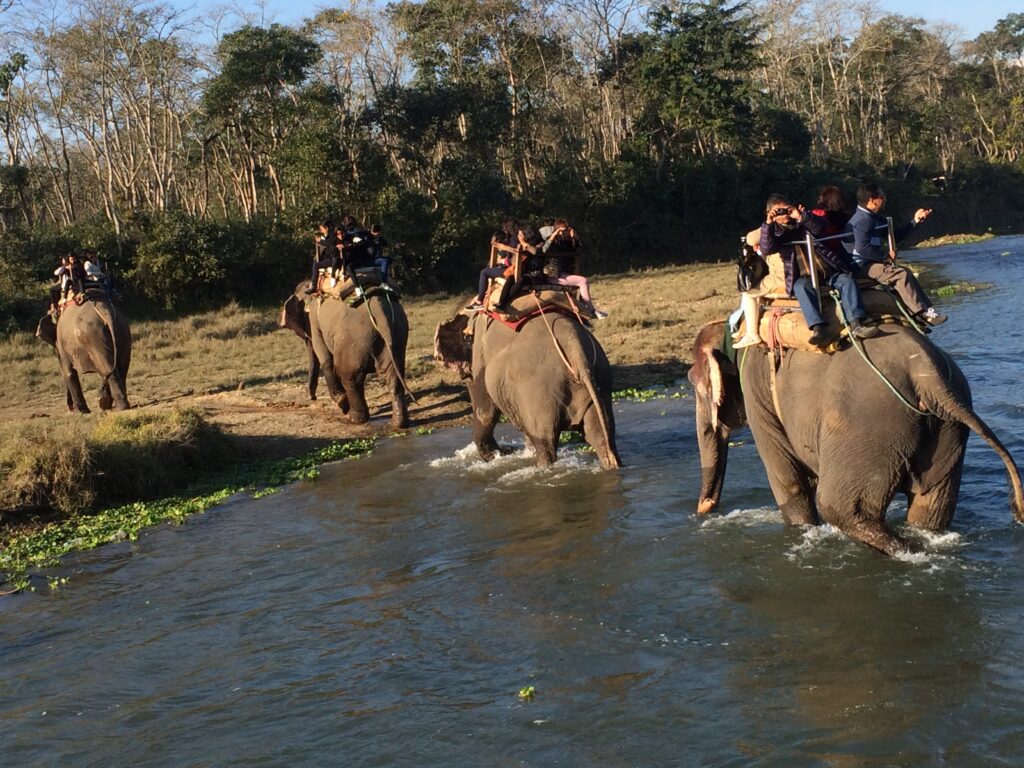
Historically, elephant-back safaris were a major attraction. However, in recent years, Chitwan has shifted toward ethical, observation-based tourism. Visitors are encouraged to join responsible elephant experiences, focusing on feeding, bathing, and learning about their conservation.
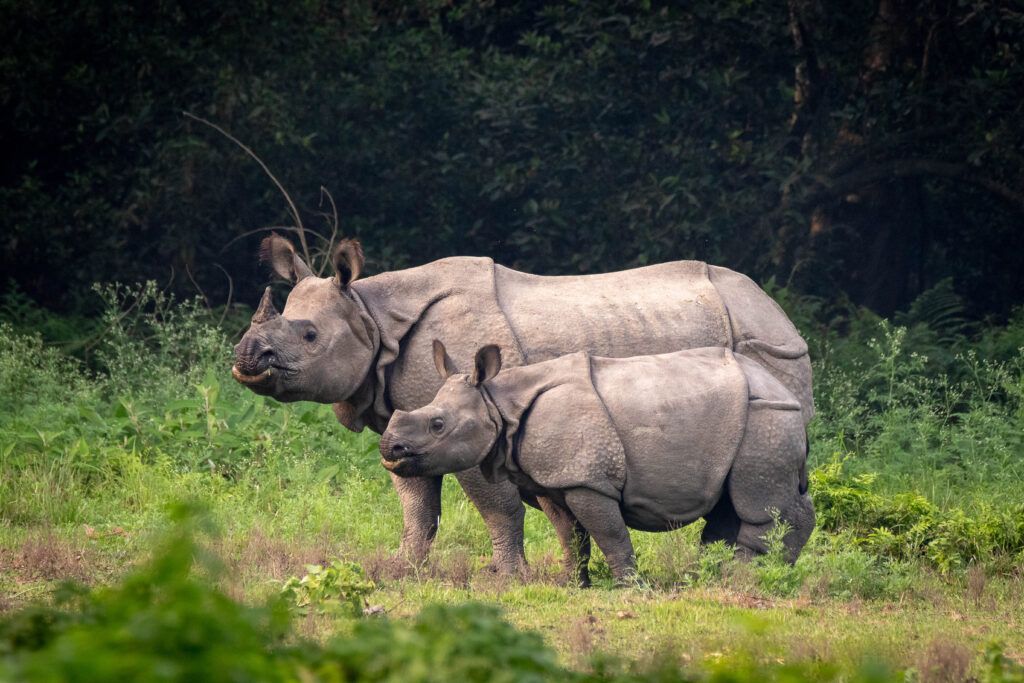
Chitwan is one of the last strongholds of the Greater One-Horned Rhinoceros. These prehistoric-looking creatures often graze in open meadows near water sources. Their calm demeanor makes them relatively easy to spot, especially during early morning or late afternoon drives.
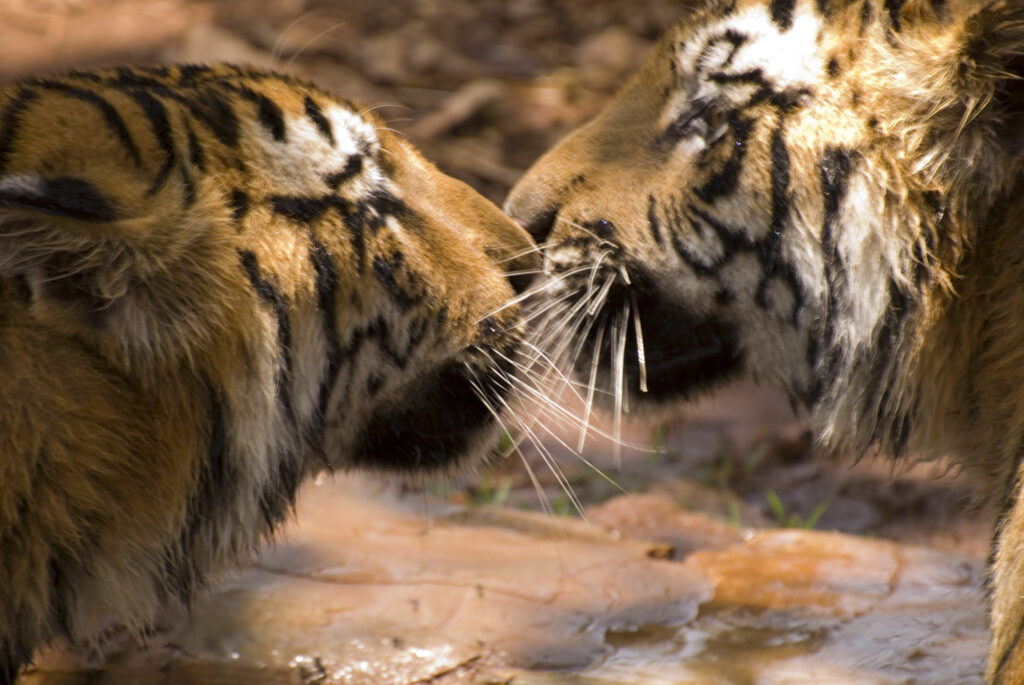
Spotting a Royal Bengal Tiger in Chitwan is a rare privilege. With increasing tiger numbers—thanks to the success of Nepal’s conservation strategy—the park offers growing chances of encounters, particularly in core zones like Kasara and Sukhibhar.
Tigers in Chitwan are known for their elusive nature, but patient travelers often catch glimpses near waterholes or dense sal forests. For a deeper dive into tiger conservation, explore Nepal Tiger Trust.
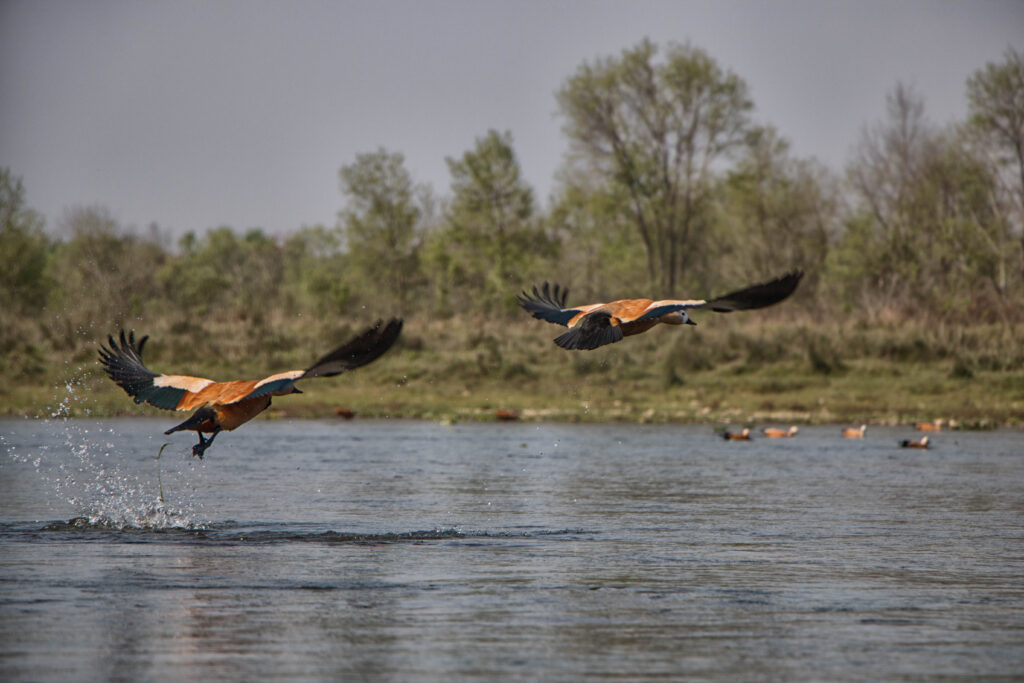
For bird lovers, Chitwan is heaven. With over 550 bird species, including hornbills, kingfishers, storks, and rare migratory birds, it’s one of South Asia’s best birding destinations. Early morning canoe rides or riverside walks near Rapti offer fantastic opportunities for spotting.
Chitwan’s conservation story is a global success. The park operates under the buffer zone management model, where local communities share revenue from tourism and participate in wildlife protection. This balance of ecology and livelihood ensures that conservation benefits everyone.
Projects like the Community Anti-Poaching Units and the National Trust for Nature Conservation have been instrumental in maintaining Chitwan’s pristine ecosystem. The involvement of local Tharu communities also adds a meaningful cultural layer to your safari experience.
To understand Nepal’s wider wildlife efforts, check Nepal’s Department of National Parks and Wildlife Conservation.

Chitwan offers a range of accommodations that combine comfort with sustainability.
For comparison and recent reviews, check Booking.com or TripAdvisor.

No trip to Chitwan is complete without meeting the Tharu people, the indigenous inhabitants of the Terai region. Their traditional homes, dance performances, and storytelling offer insight into a harmonious coexistence with wildlife.
Visitors can explore Tharu villages near Sauraha to learn about their heritage, crafts, and unique relationship with nature. These interactions not only enrich your cultural understanding but also contribute to local community development.
Remember, responsible travel ensures that Rhino & Tiger Safaris in Chitwan continue to thrive sustainably.

For more tailored itineraries across Nepal’s wildlife circuits, check Asian Safaris’ Nepal experiences.
Chitwan National Park is more than just a wildlife destination—it’s a living example of how conservation, community, and adventure can coexist. Rhino & Tiger Safaris in Chitwan promise not only unforgettable encounters with rare species but also a deeper connection with nature and local culture.
As you plan your 2026 expedition, remember that every safari contributes to preserving this fragile ecosystem for generations to come. Pack your camera, your sense of wonder, and prepare for an experience that will redefine your idea of the wild.
Suggested Read Next: Royal Manas National Park: Bhutan’s Tropical Wildlife Haven