Book Your Safari
Complete the form below to reserve your safari. Our team will confirm your booking and offer further details.
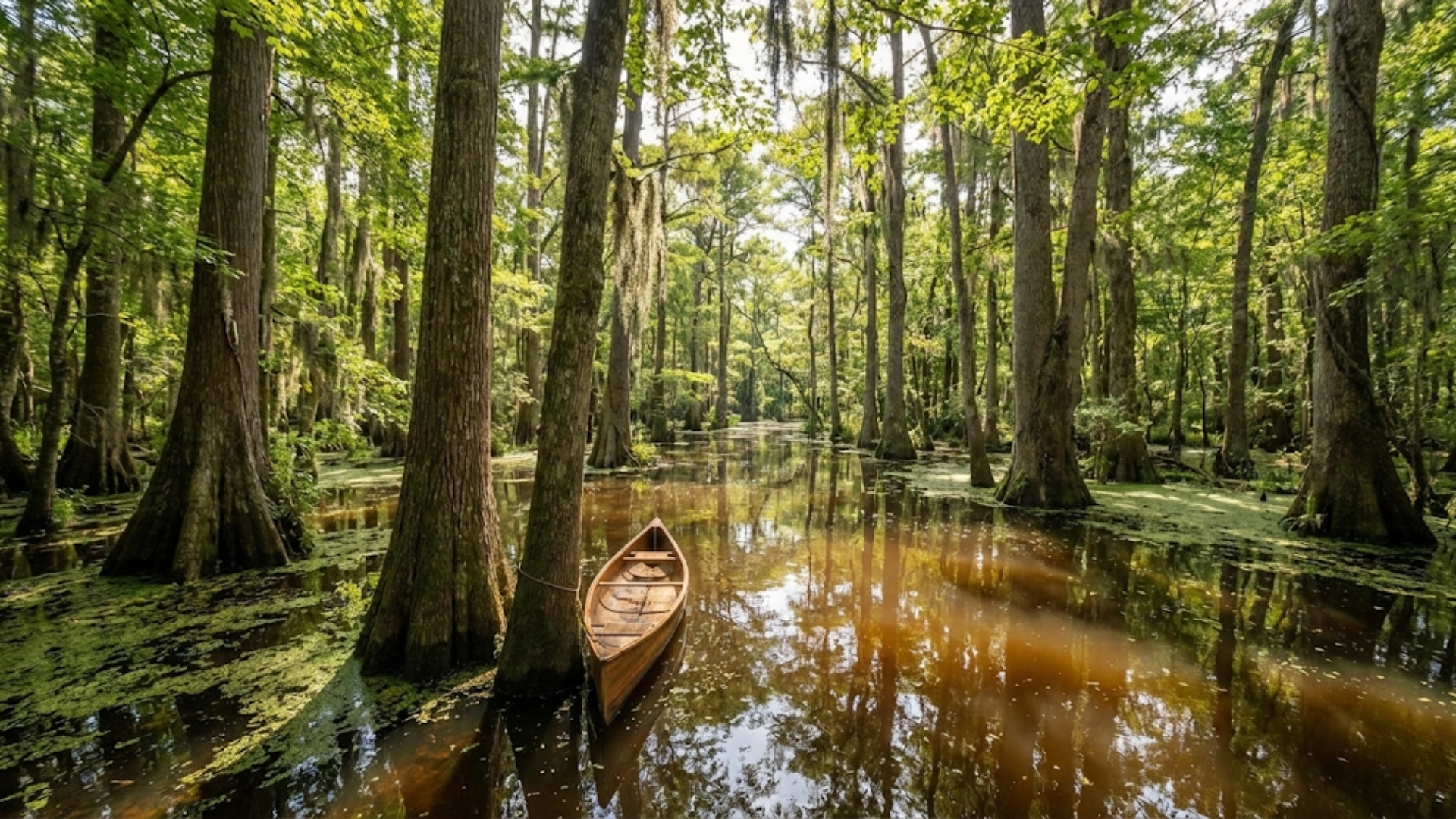
South Asia holds some of the planet’s richest wildlife habitats, from the Himalayan highlands to tropical rainforests and vast floodplains. India, Bhutan, Nepal, and Sri Lanka support thousands of species, many found nowhere else on Earth. Yet this biodiversity now faces a growing threat that cuts across borders and ecosystems. Climate change is reshaping landscapes, seasons, and survival itself.
For wildlife, these shifts are not abstract projections. Rising temperatures, erratic rainfall, stronger storms, and melting glaciers are already altering migration routes, breeding cycles, and food availability. What this really means is simple and unsettling. Species must adapt quickly, move elsewhere, or disappear.
This article explores how climate change is impacting wildlife across South Asia, with a closer look at country-specific effects, vulnerable species, and what conservation focused travel can do to help.
South Asia is warming faster than the global average in many regions. According to the Intergovernmental Panel on Climate Change, heatwaves are becoming longer and more intense across the subcontinent. Rainfall patterns have also grown unpredictable. Some areas now face prolonged droughts, while others experience sudden, destructive floods.
For wildlife, stable seasons once acted as natural calendars. When monsoons arrive late or end early, breeding and feeding cycles fall out of sync. Grasslands dry before herbivores can graze. Rivers flood nesting grounds before eggs can hatch.
The Himalayan glaciers feed major rivers such as the Ganges, Brahmaputra, and Indus. Rapid glacial melt threatens not only human water security but also riverine wildlife. Species like the endangered Ganges river dolphin depend on stable river flows to survive.
In coastal South Asia, rising sea levels threaten mangroves and wetlands. These ecosystems act as nurseries for marine life and shelter for migratory birds. Their loss sends ripple effects through the entire food chain.
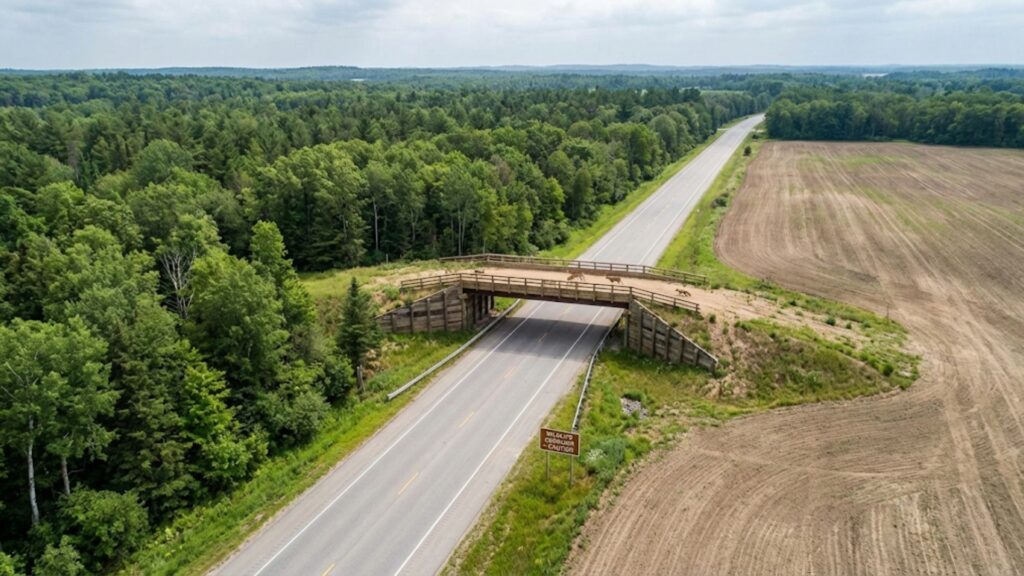
Climate change rarely acts alone. It magnifies existing pressures such as deforestation and development. As forests dry or flood, animals move in search of suitable habitat. When corridors are blocked by roads or farms, populations become isolated.
Fragmented habitats reduce genetic diversity and increase conflict with humans. This pattern is now visible across tiger reserves in India and elephant ranges in Sri Lanka.
Many species are moving uphill or northward to escape rising temperatures. In the Himalayas, alpine species now appear at higher elevations than ever recorded. While this may sound adaptive, it comes with limits. Mountains eventually run out of space.
Species that cannot migrate easily, such as amphibians and reptiles, face higher extinction risks. Their survival depends on narrow temperature and moisture ranges.
As natural food sources decline, animals venture closer to human settlements. Crop raiding by elephants, leopards entering villages, and predators attacking livestock have become more frequent across South Asia.
These encounters often end badly for wildlife. Retaliatory killings and habitat clearing further weaken already stressed populations.
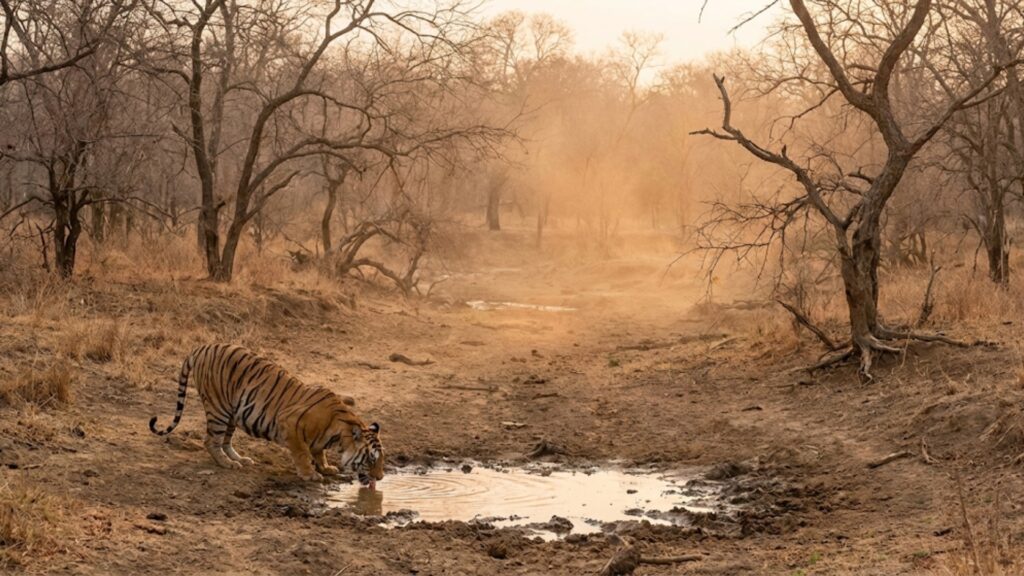
India is home to over seventy percent of the world’s wild tigers. Rising temperatures and shifting rainfall patterns affect prey availability and water sources within tiger reserves. Drier forests support fewer herbivores, which forces tigers to expand their territories.
This expansion increases the chances of conflict along reserve edges. It also strains conservation resources. According to the World Wide Fund for Nature, climate stress could undo decades of progress in tiger recovery if left unchecked.
India’s wetlands support millions of migratory birds each year. Climate change alters water levels and food availability in key sites such as Bharatpur and Chilika Lake. When wetlands dry too early, birds shorten their stay or skip the journey entirely.
This shift affects not only bird populations but also local economies that depend on nature tourism.
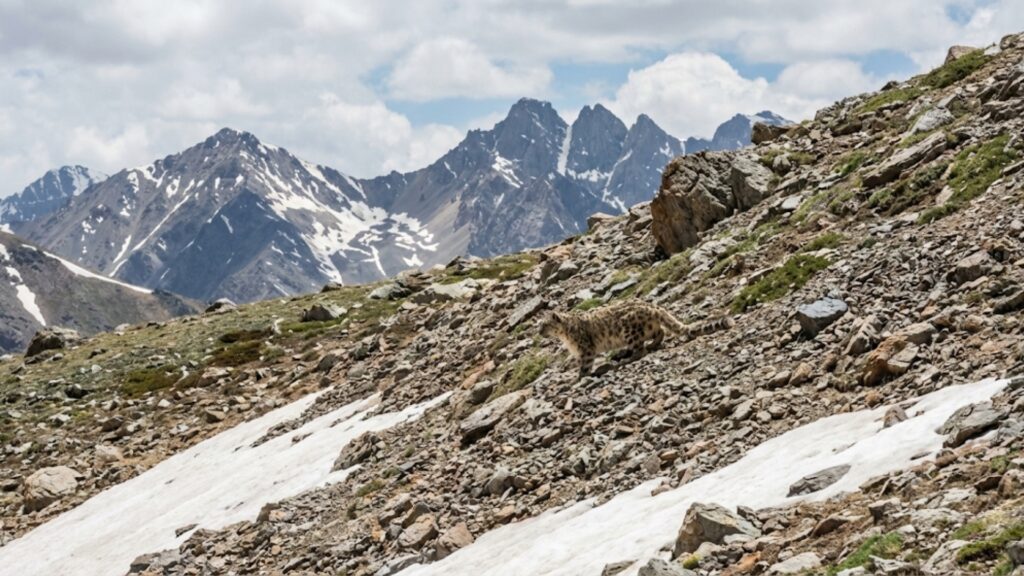
Bhutan’s high altitude ecosystems are among the most sensitive to climate change. The snow leopard depends on cold, rugged terrain and a stable prey base. As temperatures rise, tree lines move upward, shrinking open alpine zones.
This change pushes snow leopards into closer contact with human communities and livestock. Conservation groups, including the Snow Leopard Trust, warn that climate pressure could intensify conflict in these fragile landscapes.
Bhutan’s strong forest protection policies offer some resilience. However, warmer conditions increase the risk of forest fires and invasive species. These threats can alter forest composition and reduce habitat quality for native wildlife.
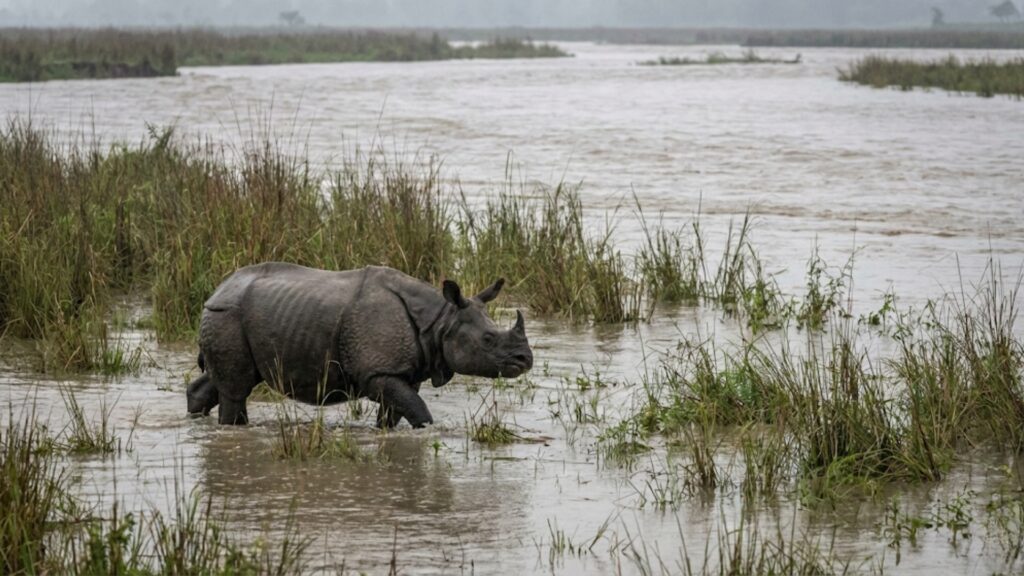
Nepal’s lowland parks, especially Chitwan National Park, face more frequent and intense flooding. The one horned rhinoceros relies on grasslands that are easily submerged or eroded during extreme monsoon events.
Floods can separate calves from mothers and destroy food sources. While rhino numbers have grown through conservation efforts, climate change adds a new layer of uncertainty to their future.
Species such as red pandas and Himalayan monal face shrinking habitats as temperature zones shift upward. These animals already live near the upper limits of their range. Further warming leaves them with few options for survival.
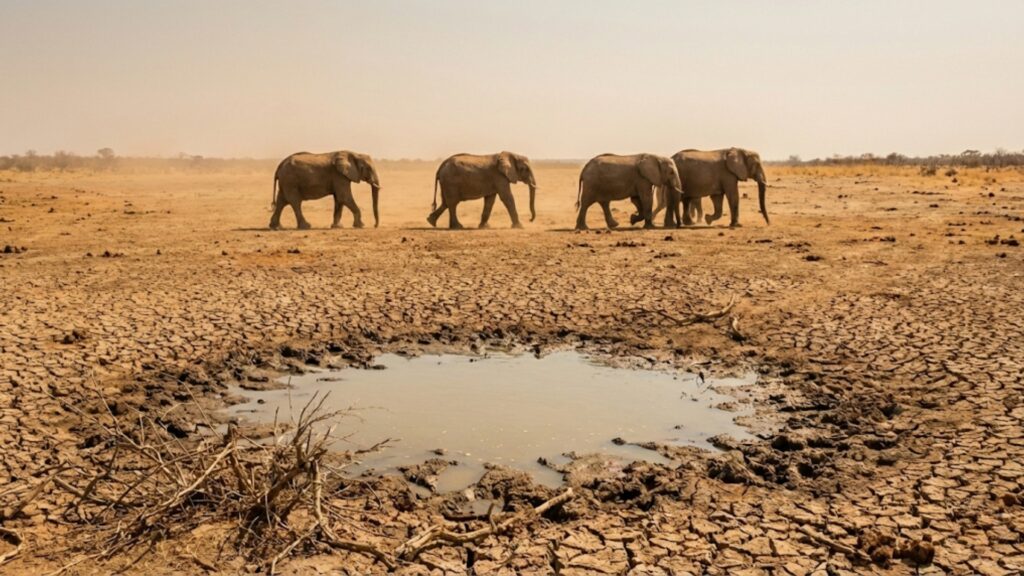
Sri Lanka’s elephants depend on seasonal water sources that are becoming less reliable. Prolonged dry periods force herds to travel longer distances in search of water and food. This movement often brings them into farmland.
Human elephant conflict has risen sharply in recent years. Climate stress, combined with habitat loss, plays a major role in this trend.
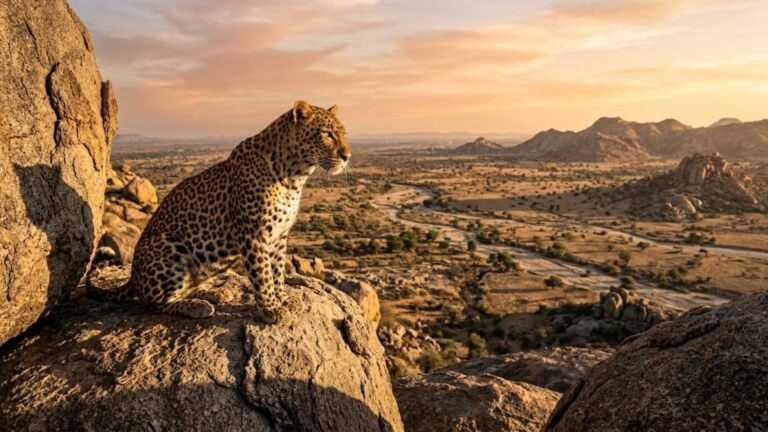
Sri Lanka’s leopards show remarkable adaptability, yet climate change still affects their prey base and forest cover. Extreme weather events damage forest edges and reduce shelter for smaller mammals.
Protected areas alone may not be enough unless surrounding landscapes also support climate resilience.
Forests regulate climate, store carbon, and support countless species. Climate induced droughts and fires weaken forest health across South Asia. Once degraded, forests struggle to recover, which further accelerates warming.
Often overlooked, grasslands support key species such as rhinos, deer, and ground nesting birds. Changes in rainfall and river flow threaten these open ecosystems. Conservation planning now increasingly recognizes their importance.
Mangroves in India and Sri Lanka protect coastlines and provide breeding grounds for fish. Rising sea levels and stronger cyclones erode these natural barriers. Their loss increases vulnerability for both wildlife and coastal communities.

Connecting protected areas allows species to move in response to climate shifts. Wildlife corridors in India and Nepal already show success in reducing conflict and improving genetic diversity. Expanding these networks remains critical.
Local communities often bear the cost of living alongside wildlife. Programs that share tourism benefits and promote coexistence improve tolerance for wildlife movement. This approach is essential in a warming world.
Climate smart conservation relies on data. Satellite tracking, camera traps, and long term monitoring help scientists understand how species respond to changing conditions. Organizations such as the International Union for Conservation of Nature play a key role in guiding policy and action.
Well managed wildlife tourism can support conservation and climate adaptation. Revenue from eco tourism funds habitat protection and research. It also provides alternative livelihoods that reduce pressure on natural resources.
Travelers choosing ethical operators contribute to this positive cycle. Experiences offered by AsianSafaris focus on low impact travel and conservation awareness across India, Bhutan, Nepal, and Sri Lanka. Learn more about our conservation focused journeys on our wildlife experiences page and explore region specific insights through our South Asia travel blog.
Choose tours that limit environmental impact and support local conservation projects. Ask operators about their sustainability practices and community partnerships.
Awareness shapes policy. Sharing knowledge about how climate change is impacting wildlife across South Asia helps build support for stronger environmental action.
Small choices add up. Reducing waste, conserving energy, and offsetting travel emissions contribute to broader climate solutions.
Climate change is no longer a distant threat to South Asia’s wildlife. Its effects are visible in forests, rivers, mountains, and coastlines across the region. Species face shrinking habitats, rising conflict, and uncertain futures.
Yet there is still room for action. Strong conservation policies, community engagement, and responsible travel can help wildlife a


A really good blog and me back again.